Walnut Creek Open Space: Trails, Nature & Real Estate Benefits
Discover how Walnut Creek's protected hillsides, scenic trails, natural landscapes, and welcoming residential neighborhoods create an exceptional East Bay lifestyle.
Walnut Creek, California, is widely recognized for its vibrant downtown, beautiful residential neighborhoods, convenient transportation, and impressive shopping and dining destinations.
But beyond its restaurants, boutiques, and bustling streets lies one of the city's most distinctive features: thousands of acres of protected open space.
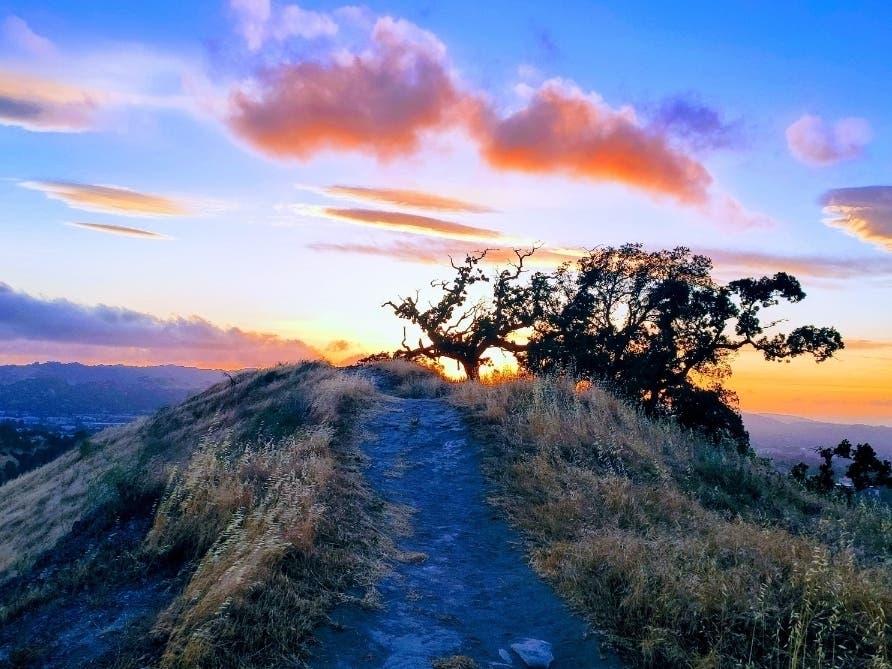
From rolling hills and oak woodlands to scenic ridgelines and recreational trails, Walnut Creek offers residents opportunities to enjoy nature without traveling far from home.
For homebuyers exploring Walnut Creek CA real estate, access to these natural surroundings can be an important part of choosing the right neighborhood.
Whether you enjoy hiking, cycling, wildlife viewing, or simply appreciating scenic views, Walnut Creek's open space contributes to the character of the community.
In this guide, David Weiss of Compass Real Estate explores Walnut Creek's most notable open-space destinations, their recreational benefits, and what buyers should know when purchasing homes near protected natural areas.
Why Walnut Creek's Open Space Is So Special
Many East Bay communities offer beautiful parks and recreational facilities.
Walnut Creek stands out because of its extensive network of preserved natural landscapes.
According to the City of Walnut Creek, its Open Space Division manages more than 3,000 acres of protected land, along with neighborhood trails.
These areas were established to protect natural resources, preserve wildlife habitats, maintain ecological corridors, and provide recreational opportunities.
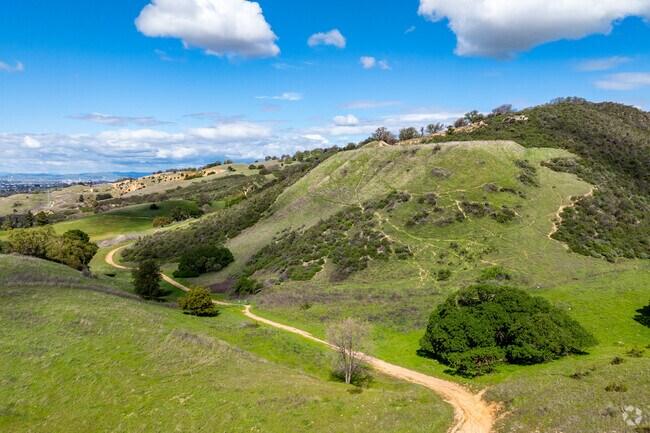
Unlike conventional landscaped parks, open-space preserves often feature natural terrain, native vegetation, wildlife habitats, and undeveloped hillsides.
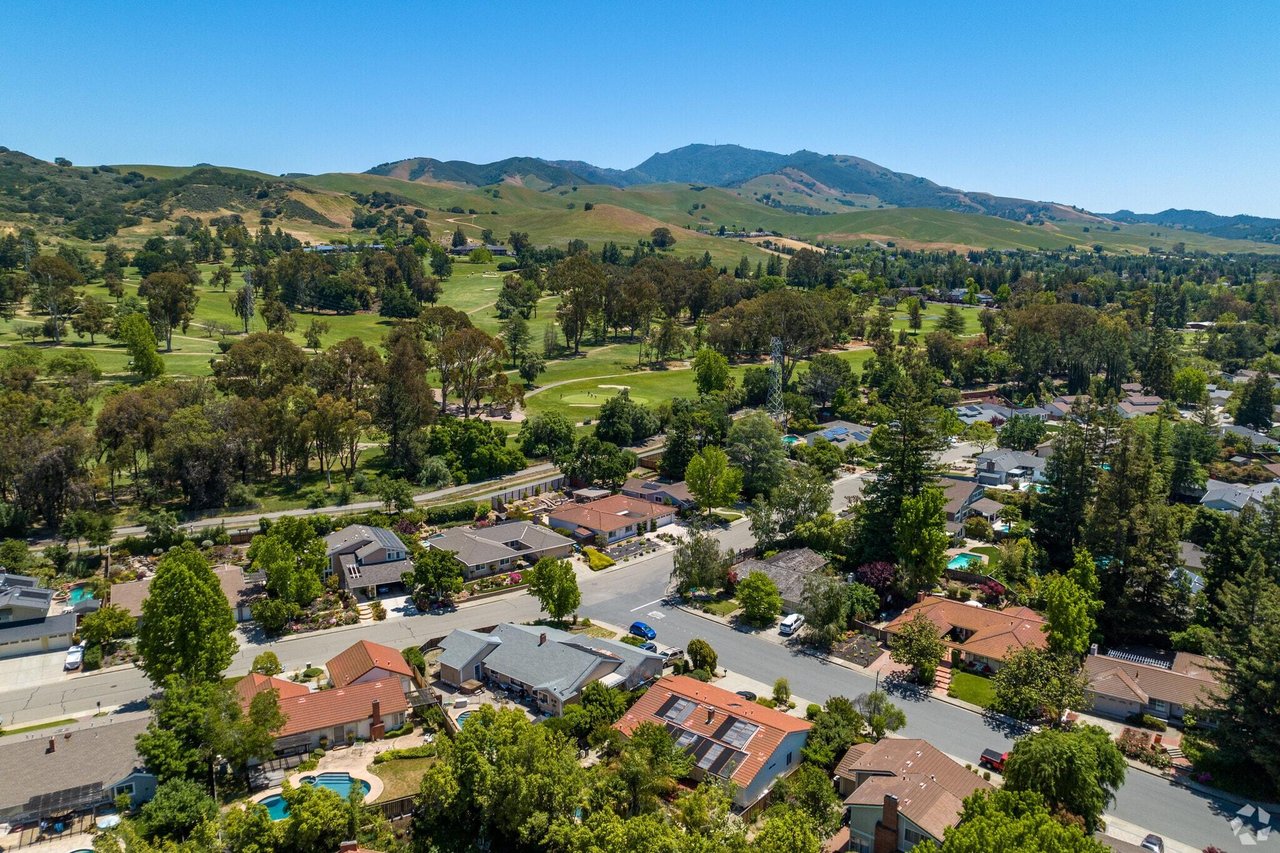
This creates a distinctive environment where residential neighborhoods, urban amenities, and protected landscapes exist within the same community.
What Makes Walnut Creek's Open Space Valuable?
Thousands of acres of protected natural landscapes
Scenic hiking and walking trails
Opportunities for cycling and horseback riding
Wildlife viewing and nature appreciation
Oak woodlands and seasonal wildflowers
Panoramic views of surrounding hills
Connections between residential neighborhoods and outdoor destinations
Conservation of important wildlife habitats
Recreational opportunities throughout the year
These features help define Walnut Creek's outdoor lifestyle.
How Walnut Creek Protected Its Natural Landscapes
Walnut Creek's extensive open-space system is the result of deliberate community planning and conservation efforts.
In 1974, Walnut Creek voters approved a $6.75 million bond measure to acquire and preserve undeveloped hillsides.
This decision helped establish a long-term commitment to protecting natural landscapes from development.
Over time, preservation efforts expanded the city's open-space network.
Today, residents and visitors can explore extensive areas of oak woodland, grassland, ridgelines, and scenic trails.
The city's approach demonstrates how land conservation can shape a community's identity.
Rather than allowing development to extend across every surrounding hillside, Walnut Creek preserved significant areas for recreation, habitat protection, and future generations.
Exploring Walnut Creek's Major Open-Space Areas
Walnut Creek offers several notable natural destinations, each with its own scenery, trails, and recreational opportunities.
Figures are based on the City of Walnut Creek's published open-space information and may be updated by the city.
1. Shell Ridge Open Space: Scenic Trails and Historic Landmarks
Shell Ridge is one of Walnut Creek's most recognizable outdoor destinations.
Located near the heart of the city, this extensive preserve stretches toward Mount Diablo and features rolling hills, oak-studded landscapes, and numerous recreational trails.
With approximately 1,420 acres and 31 miles of trails, Shell Ridge offers a variety of outdoor experiences.
What Makes Shell Ridge Special?
Extensive hiking trails
Scenic ridge views
Oak woodlands and grasslands
Cycling opportunities
Horseback riding routes
Seasonal wildflowers
Wildlife habitats
Historic landmarks
Borges Ranch
One of Shell Ridge's most distinctive attractions is Borges Ranch.
This historic cattle ranch preserves an important part of Walnut Creek's agricultural heritage.
The site features historic ranch structures and provides visitors with an opportunity to explore the area's past.
Howe Homestead Park
Howe Homestead Park is another notable destination associated with Shell Ridge.
The site includes gardens, historic features, and access to nearby recreational trails.
Why Shell Ridge Matters to Homebuyers
For buyers interested in outdoor recreation, proximity to Shell Ridge can be an appealing neighborhood feature.
Some nearby properties may offer convenient trail access or scenic surroundings.
However, access points, views, and distances vary significantly by address.
Buyers should verify the actual trailhead location and surrounding land conditions before purchasing.
2. Lime Ridge Open Space: Natural Beauty and Wildlife Conservation
Lime Ridge is another major component of Walnut Creek's protected landscape.
Situated along the eastern side of the city, the preserve extends across approximately 1,226 acres.
The area features diverse plant communities, scenic ridgelines, and recreational trails.
What Makes Lime Ridge Special?
Approximately 25 miles of trails
Scenic hillside views
Hiking and cycling opportunities
Native plant communities
Wildlife habitats
Historic quarry areas
Access points in Walnut Creek and Concord
A Distinctive Natural Environment
Lime Ridge contains important native vegetation, including chaparral habitat.
The preserve also supports a variety of wildlife.
Some areas have additional restrictions to protect sensitive habitats.
For example, dogs are prohibited in the central Lime Ridge Wildlife Preserve.
Visitors should review current city rules before entering.
Why Lime Ridge Appeals to Outdoor Enthusiasts
Lime Ridge offers opportunities to explore natural landscapes while remaining close to residential communities.
For buyers who value hiking, outdoor recreation, and scenic surroundings, nearby neighborhoods may be worth exploring.
Property-specific access and views should always be confirmed.
3. Acalanes Ridge Open Space: Panoramic East Bay Views
Acalanes Ridge is a smaller open-space area known for its scenic ridgeline and expansive views.
The preserve encompasses approximately 202 acres and offers around four miles of trails.
Its elevated setting provides opportunities to appreciate the surrounding East Bay landscape.
What Makes Acalanes Ridge Special?
Panoramic views
Scenic hiking routes
Open grassland landscapes
Seasonal wildflowers
Views toward Mount Diablo
A natural greenbelt setting
Outdoor Experience
Acalanes Ridge offers a relatively undeveloped recreational environment.
Visitors should expect limited parking and few developed facilities.
For those seeking scenic walks and opportunities to enjoy nature, the preserve provides a distinctive outdoor destination.
Nearby Residential Considerations
Buyers interested in homes near Acalanes Ridge should evaluate the property's location, hillside conditions, access routes, and surrounding land-use designations.
A view of open space does not automatically mean that every visible parcel is permanently protected.
4. Sugarloaf Open Space: Trails, Picnicking, and Natural Surroundings
Sugarloaf is another important part of Walnut Creek's open-space system.
Covering approximately 177 acres, Sugarloaf offers hiking opportunities and recreational amenities in a scenic natural setting.
What Makes Sugarloaf Special?
Hiking trails
Picnic opportunities
Group camping by reservation
Scenic hillsides
Natural vegetation
Views of surrounding East Bay landscapes
Connections to nearby recreational routes
A Relaxed Outdoor Destination
Sugarloaf provides an opportunity to experience Walnut Creek's natural environment through walking, picnicking, and other permitted recreational activities.
Its landscape contributes to the city's broader network of protected open spaces.
Why Sugarloaf Matters to Residents
Convenient access to outdoor destinations can support a lifestyle centered around recreation and nature.
Buyers interested in nearby homes should compare actual travel distances, trail access, and neighborhood characteristics.
5. Mount Diablo State Park: A Regional Outdoor Destination
Although Mount Diablo State Park is not part of Walnut Creek's city-managed open-space system, it is an important recreational destination for the broader area.
The park is known for its prominent mountain landscape, scenic roads, hiking trails, and expansive views.
Popular Activities
Hiking
Cycling
Scenic drives
Wildlife observation
Photography
Nature appreciation
Mount Diablo contributes to the scenic backdrop of Walnut Creek and neighboring East Bay communities.
For residents who enjoy exploring regional outdoor destinations, its proximity adds another recreational option.
Walnut Creek Open Space and the Outdoor Lifestyle
One of Walnut Creek's distinguishing characteristics is the relationship between its residential neighborhoods and natural surroundings.
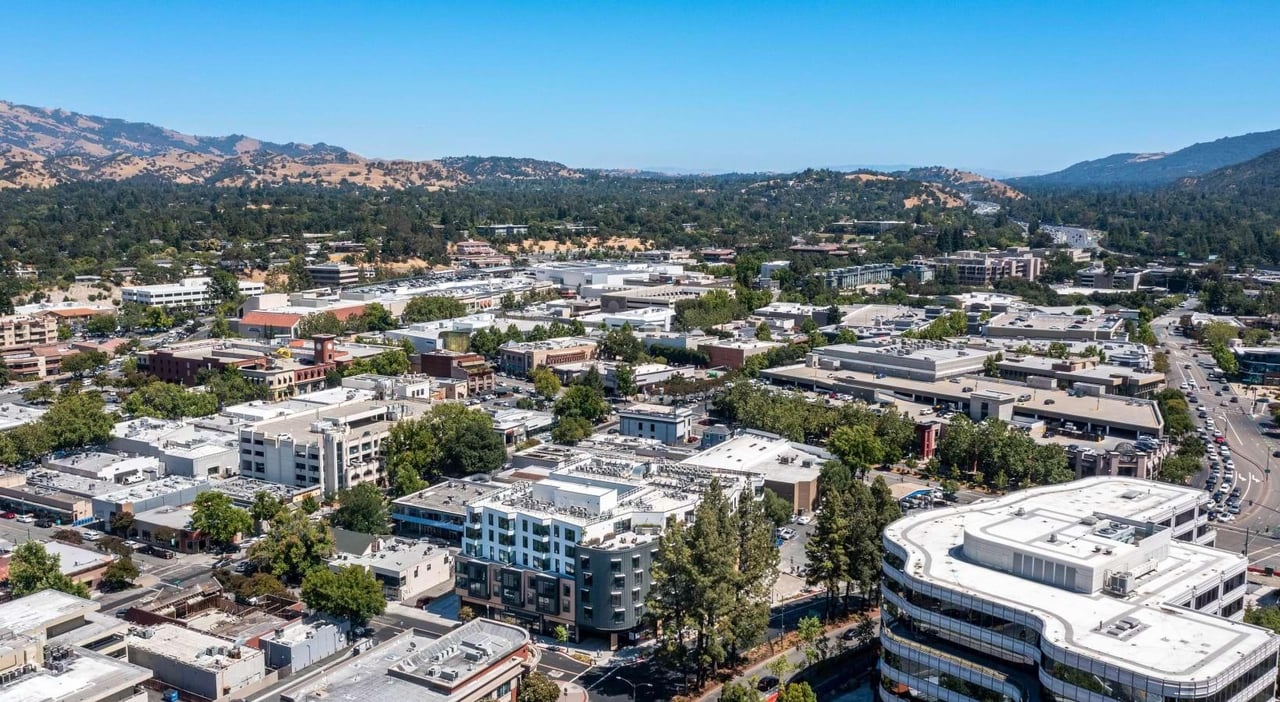
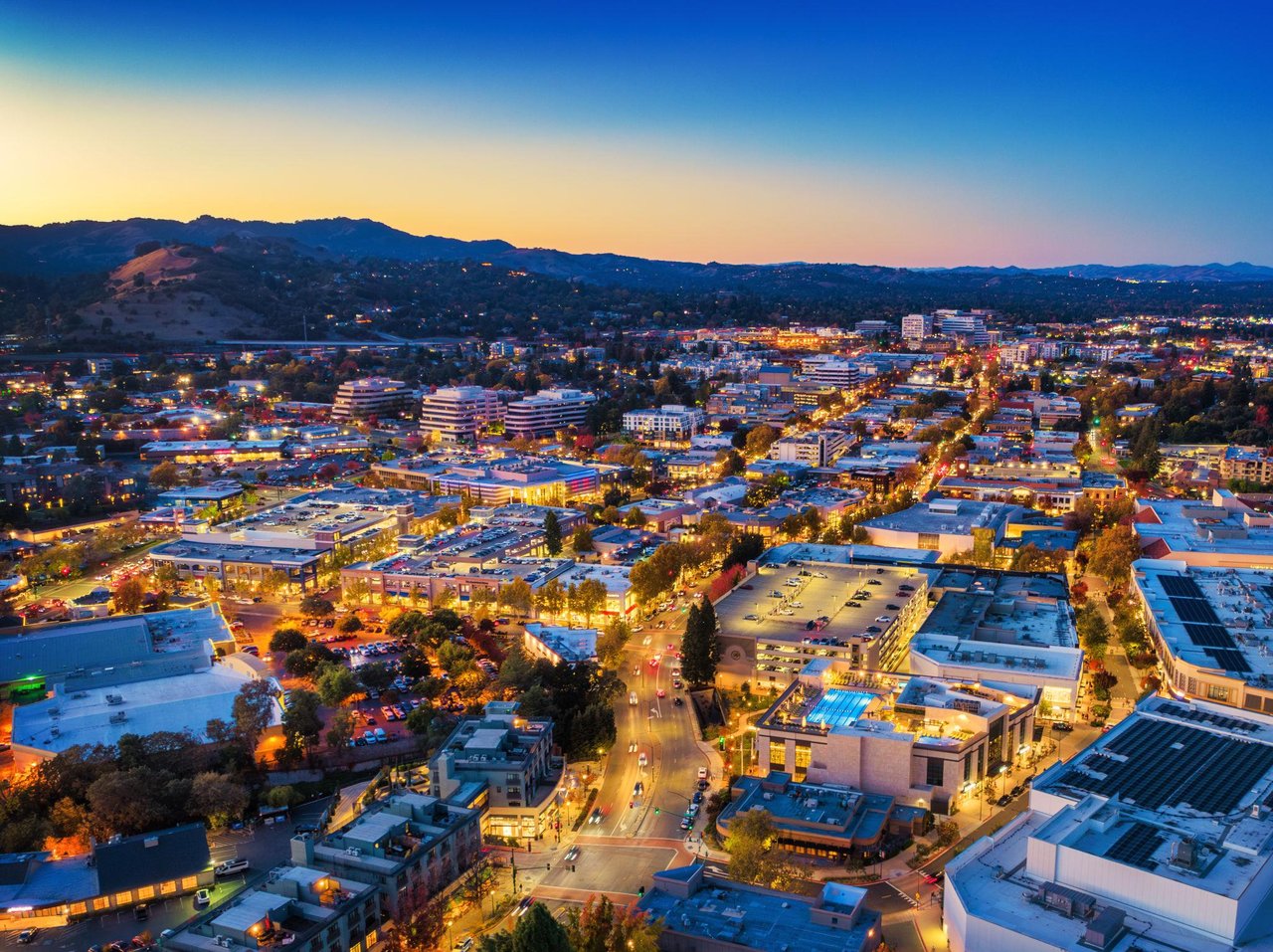
Residents can enjoy shopping, dining, and cultural attractions downtown while also having access to outdoor recreation.
Hiking and Walking
The city's preserves offer trails across varied terrain, including ridgelines, grasslands, and wooded areas.
Cycling
Certain designated roads and trails permit bicycles.
Visitors should follow posted restrictions and applicable trail rules.
Wildlife Viewing
Walnut Creek's open spaces provide habitat for birds, mammals, and other wildlife.
Visitors should maintain appropriate distances and avoid disturbing animals.
Scenic Photography
The changing seasons create different landscapes throughout the year.
Spring may bring green hills and wildflowers, while warmer months often reveal the East Bay's golden grasslands.
Horseback Riding
Certain trails permit equestrian use, providing another way to explore the surrounding natural areas.
How Open Space Contributes to Walnut Creek's Community Character
Protected open space offers benefits beyond recreation.
It also helps shape the appearance and identity of the city.
Preserving Scenic Landscapes
Undeveloped hillsides create a natural visual backdrop for many parts of Walnut Creek.
Protecting Wildlife Habitats
Open-space preservation helps maintain habitat areas and wildlife corridors.
Supporting Outdoor Recreation
Trails and natural destinations provide opportunities for walking, hiking, cycling, and other activities.
Maintaining a Distinctive Community Setting
Walnut Creek's combination of downtown amenities and surrounding natural landscapes creates a residential environment that differs from more densely developed urban areas.
Supporting Long-Term Conservation
Preservation helps protect natural resources for future generations.
These benefits make open space an important part of Walnut Creek's identity.
Does Living Near Open Space Affect Walnut Creek Home Values?
Open-space proximity may be an attractive feature for some homebuyers.
Properties with convenient trail access, scenic views, or nearby protected landscapes can offer characteristics that distinguish them from other homes.
However, living near open space does not guarantee higher property values or stronger appreciation.
Real estate values depend on multiple factors, including:
Location
Property size
Lot characteristics
Home condition
Views
Privacy
Neighborhood amenities
Market inventory
Buyer demand
Comparable sales
Insurance and maintenance costs
A home overlooking protected hillsides may appeal to buyers who value scenery.
Another buyer may prefer a property closer to downtown shopping or transportation.
The impact of open-space proximity should be evaluated through recent comparable sales rather than assumptions.
David Weiss can help buyers and sellers assess how property characteristics compare with the surrounding market.
Walnut Creek Neighborhoods Near Open Space
Several Walnut Creek residential areas offer access to outdoor recreation and natural surroundings.
Walnut Heights
Walnut Heights is known for established homes, mature landscaping, and hillside surroundings.
Buyers exploring this area may find properties with convenient access to recreational destinations and scenic residential streets.
Northgate
Northgate features established residential neighborhoods and access to parks and outdoor destinations in eastern Walnut Creek.
Some locations provide convenient connections toward Mount Diablo-area recreation.
Tice Valley
Tice Valley offers varied residential settings, including hillside properties and established homes.
Its location may appeal to buyers interested in scenic surroundings and access to outdoor activities.
Rudgear Area
The Rudgear area includes established residential neighborhoods and access to parks and trails in southern Walnut Creek.
Buyers should compare individual properties based on location, topography, and nearby amenities.
Areas Near Shell Ridge
Homes near Shell Ridge may offer convenient trail access or attractive hillside views.
However, the distance to a trailhead and the nature of the surrounding land vary from one property to another.
What Homebuyers Should Know Before Purchasing Near Open Space
Buying a home near protected natural land can offer distinctive benefits, but it also requires careful evaluation.
1. Verify Protected Land Boundaries
Not every undeveloped parcel is designated as permanent open space.
Buyers should review official maps and applicable land-use records.
2. Evaluate Wildfire Exposure
Properties near grasslands, wooded areas, or hillsides may have wildfire-related considerations.
Review insurance availability, vegetation management, defensible-space requirements, and applicable hazard disclosures.
3. Understand Wildlife Activity
Homes near natural habitats may experience wildlife activity.
Buyers should consider how this may affect landscaping, pets, and outdoor use.
4. Review Property Drainage and Slope
Hillside properties may require additional attention to drainage, erosion, and structural conditions.
5. Check Trail Access
A nearby preserve does not necessarily mean a public trail entrance is within walking distance.
Confirm legal access points and trail routes.
6. Consider Privacy
Some homes near popular trails may experience pedestrian or recreational activity nearby.
7. Evaluate Landscaping Responsibilities
Properties bordering natural landscapes may require ongoing vegetation management and maintenance.
8. Review Property Insurance
Insurance costs and availability may vary based on location, construction characteristics, and risk exposure.
9. Compare Recent Home Sales
Review comparable properties to understand how views, lot size, location, and open-space proximity may influence market pricing.
10. Work With a Knowledgeable Real Estate Professional
An experienced local real estate professional can help you evaluate property characteristics, neighborhood differences, and available listings.
Walnut Creek Open Space vs. Traditional City Parks
Although both provide recreational opportunities, open-space preserves and developed parks serve somewhat different purposes.
Both contribute to Walnut Creek's overall quality of life.
For buyers evaluating residential locations, having access to a combination of parks and natural preserves can be an attractive feature.
20 Frequently Asked Questions About Walnut Creek Open Space
1. How much open space does Walnut Creek have?
The City of Walnut Creek manages more than 3,000 acres of open space, according to its official Open Space Division.
2. What are the major open-space areas in Walnut Creek?
Major city-managed areas include Shell Ridge, Lime Ridge, Acalanes Ridge, and Sugarloaf.
3. What is Shell Ridge Open Space known for?
Shell Ridge is known for scenic ridgelines, hiking trails, oak woodlands, horseback riding opportunities, and historic destinations such as Borges Ranch.
4. How large is Shell Ridge Open Space?
Shell Ridge encompasses approximately 1,420 acres, according to the City of Walnut Creek.
5. What is Lime Ridge Open Space?
Lime Ridge is a protected natural area featuring hiking trails, native vegetation, wildlife habitats, and scenic ridgelines.
6. Can you hike in Walnut Creek's open-space preserves?
Yes. Hiking is one of the main recreational activities permitted in the city's open-space areas.
7. Are bicycles allowed on Walnut Creek open-space trails?
Bicycles are permitted on designated routes subject to posted restrictions and city regulations.
8. Are dogs allowed in Walnut Creek open space?
Dogs are permitted in certain areas, but leash requirements and restrictions vary. Dogs are prohibited in the central Lime Ridge Wildlife Preserve.
9. What is Acalanes Ridge known for?
Acalanes Ridge offers scenic hiking trails and panoramic views of Mount Diablo and surrounding East Bay landscapes.
10. Is Sugarloaf Open Space suitable for outdoor recreation?
Yes. Sugarloaf offers hiking, picnic opportunities, and designated group camping by reservation.
11. Is Mount Diablo State Park part of Walnut Creek Open Space?
No. Mount Diablo State Park is a separate state-managed destination, although it is an important recreational resource for the region.
12. Are there historic landmarks in Walnut Creek's open spaces?
Yes. Borges Ranch and Howe Homestead are notable historic destinations associated with the Shell Ridge area.
13. Why did Walnut Creek preserve so much open space?
Walnut Creek residents supported conservation efforts to protect hillsides, wildlife habitats, natural resources, and recreational opportunities.
14. When did Walnut Creek begin its major open-space preservation efforts?
A significant milestone occurred in 1974, when voters approved a bond measure to help acquire and preserve undeveloped land.
15. Are there homes near Shell Ridge Open Space?
Yes. Several residential areas are located near Shell Ridge. Actual trail access, views, and property characteristics vary by address.
16. Does living near open space increase home value?
Open-space proximity may appeal to certain buyers, but its effect on property value depends on the individual home and current market conditions.
17. What should buyers consider when purchasing near open space?
Important considerations include wildfire exposure, insurance, drainage, wildlife activity, land boundaries, privacy, and property maintenance.
18. Are Walnut Creek's open spaces accessible throughout the year?
Many trails are available throughout the year, but temporary closures and restrictions may occur because of weather, maintenance, safety, or habitat protection.
19. Which Walnut Creek neighborhoods offer access to outdoor recreation?
Areas such as Walnut Heights, Northgate, Tice Valley, and neighborhoods near Shell Ridge provide access to various outdoor destinations, depending on the property location.
20. How can David Weiss help me find a home near Walnut Creek open space?
David Weiss of Compass Real Estate can help buyers explore available homes, compare neighborhood locations, review property characteristics, and understand local real estate market conditions.
Discover the Value of Walnut Creek's Natural Surroundings
Walnut Creek's protected open space is more than an attractive backdrop.
It represents decades of conservation, thoughtful planning, and a commitment to preserving natural landscapes.
From the extensive trails of Shell Ridge to the wildlife habitats of Lime Ridge, the scenic views of Acalanes Ridge, and the recreational opportunities at Sugarloaf, these destinations help define the city's distinctive character.
For residents, open space provides opportunities to enjoy outdoor activities, appreciate nature, and explore the East Bay landscape.
For homebuyers, proximity to protected natural areas may be one of several important considerations when choosing a neighborhood.
The right property depends on your preferred lifestyle, budget, location priorities, and long-term housing goals.
Whether you're interested in scenic hillside homes, established residential streets, or convenient access to outdoor recreation, Walnut Creek offers a variety of options worth exploring.
WORK WITH DAVID WEISS
Your Walnut Creek and East Bay Real Estate Resource
Finding the right home in Walnut Creek involves more than comparing prices and square footage.
Location, neighborhood amenities, scenic surroundings, property condition, and access to recreational destinations can all influence your decision.
David Weiss of Compass Real Estate helps buyers and sellers navigate Walnut Creek and surrounding East Bay communities with local market knowledge and professional guidance.
Whether you're searching for a home near Shell Ridge, exploring residential properties in Northgate, or considering an established neighborhood near downtown Walnut Creek, David can help you evaluate your options.
For Homebuyers
David can assist with:
Exploring Walnut Creek homes for sale
Comparing neighborhoods near open space
Evaluating property features and locations
Reviewing recent comparable sales
Understanding local market conditions
Identifying available listings
Exploring eligible Compass Private Exclusive opportunities
Navigating offers and negotiations
Managing the homebuying process
For Home Sellers
David can help with:
Reviewing local real estate market conditions
Evaluating comparable properties
Developing an appropriate pricing strategy
Highlighting relevant property features
Preparing a home for sale
Creating a tailored marketing plan
Using Compass marketing resources
Reviewing offers and negotiating terms
Managing the selling process through closing
Contact David Weiss
David Weiss
Compass Real Estate
DRE #01962589
925-232-4260
DavidWeissRealEstate.com
[email protected]
Serving: Walnut Creek, Danville, San Ramon, Alamo, and surrounding East Bay communities.
Ready to Explore Walnut Creek Real Estate?
Connect with David Weiss to discover available homes, compare neighborhoods, and explore real estate opportunities near Walnut Creek's scenic open spaces.