Is Walnut Creek, CA a Good Place to Invest in Real Estate? 2026 Guide
Explore Walnut Creek investment properties, rental market trends, neighborhood opportunities, cash flow considerations, and long-term real estate strategies with David Weiss of Compass Real Estate.
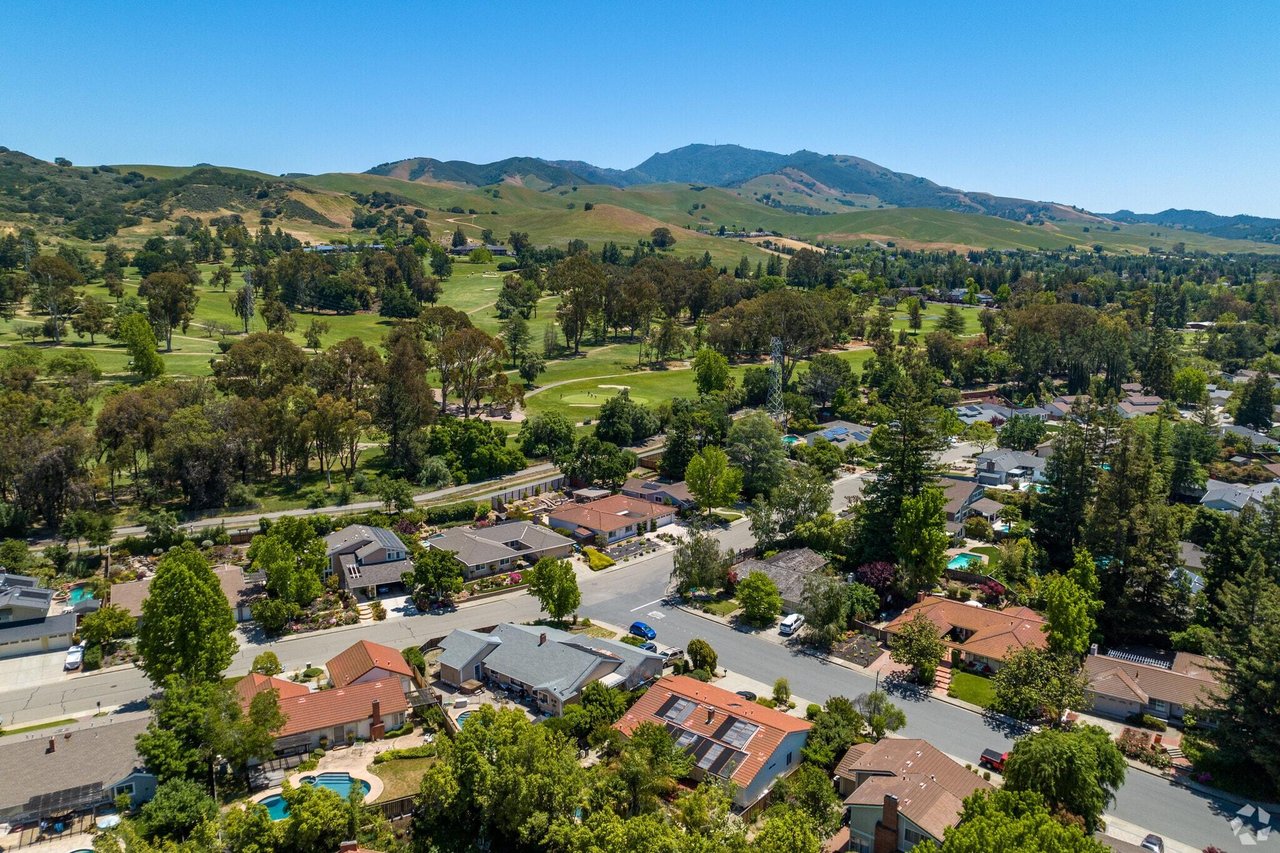
Walnut Creek, California, is known for its established residential neighborhoods, vibrant downtown, scenic open spaces, and convenient access to the greater San Francisco Bay Area.
But beyond its appeal as a place to live, Walnut Creek also attracts buyers interested in real estate investment.
With access to BART, a variety of housing options, nearby employment centers, and desirable community amenities, the city offers several characteristics worth considering when evaluating rental properties.
However, an attractive location does not automatically make every property a profitable investment.
So, is Walnut Creek a good place to buy an investment property?
The answer depends on the purchase price, achievable rental income, financing costs, property condition, ownership expenses, and your long-term investment strategy.
In this guide, David Weiss of Compass Real Estate explores the Walnut Creek investment property market, highlights neighborhoods worth researching, and explains the financial considerations investors should evaluate before purchasing.
Why Investors Consider Walnut Creek Real Estate
Walnut Creek offers a combination of residential amenities and regional connections that may appeal to different types of renters.
Several characteristics contribute to its investment appeal.
1. Convenient Regional Transportation
Walnut Creek benefits from its location along Interstate 680 and near Highway 24.
The city also has a BART station, providing regional rail connections toward Oakland, San Francisco, and other Bay Area destinations.
The nearby Pleasant Hill/Contra Costa Centre BART station provides an additional transportation option for portions of the surrounding area.
For renters who commute regularly, access to public transportation can be an important consideration.
Properties located near transportation connections may appeal to tenants who prioritize commuting convenience.
However, investors should evaluate actual walking distances, parking availability, and local rental competition rather than assuming that every property near BART will command a premium.
2. Established Residential Neighborhoods
Walnut Creek offers a variety of residential environments, including:
Traditional single-family neighborhoods
Downtown condominiums
Townhome communities
Established ranch-style residences
Hillside properties
Attached residential developments
This variety creates opportunities to compare different property types and investment strategies.
3. Shopping, Dining, and Entertainment
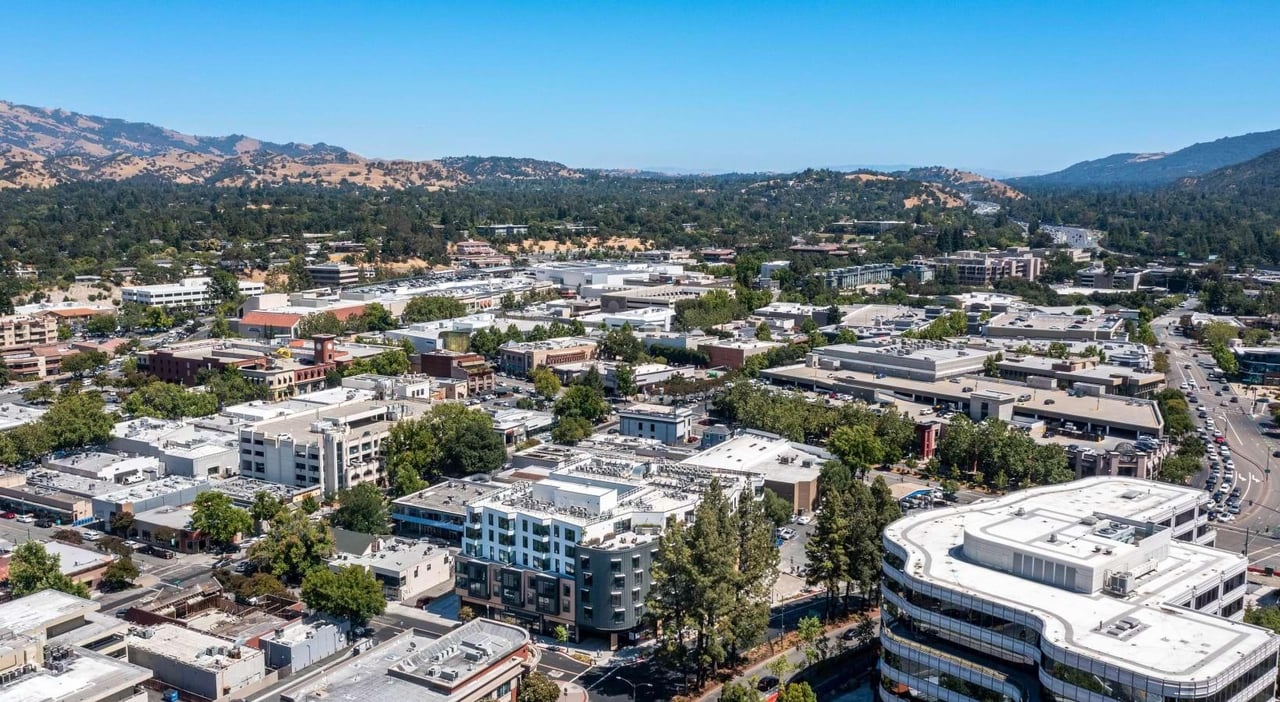
Walnut Creek's downtown district is a major regional destination.
Popular amenities include Broadway Plaza, restaurants, cafés, retail businesses, and Lesher Center for the Arts.
These amenities may appeal to renters who appreciate convenient access to shopping and entertainment.
4. Parks and Outdoor Recreation
Walnut Creek offers extensive outdoor recreation opportunities, including:
Shell Ridge Open Space
Lime Ridge Open Space
Heather Farm Park
Iron Horse Regional Trail
Nearby Mount Diablo recreation
Access to parks and trails may be attractive to renters who enjoy outdoor activities.
5. Educational Opportunities
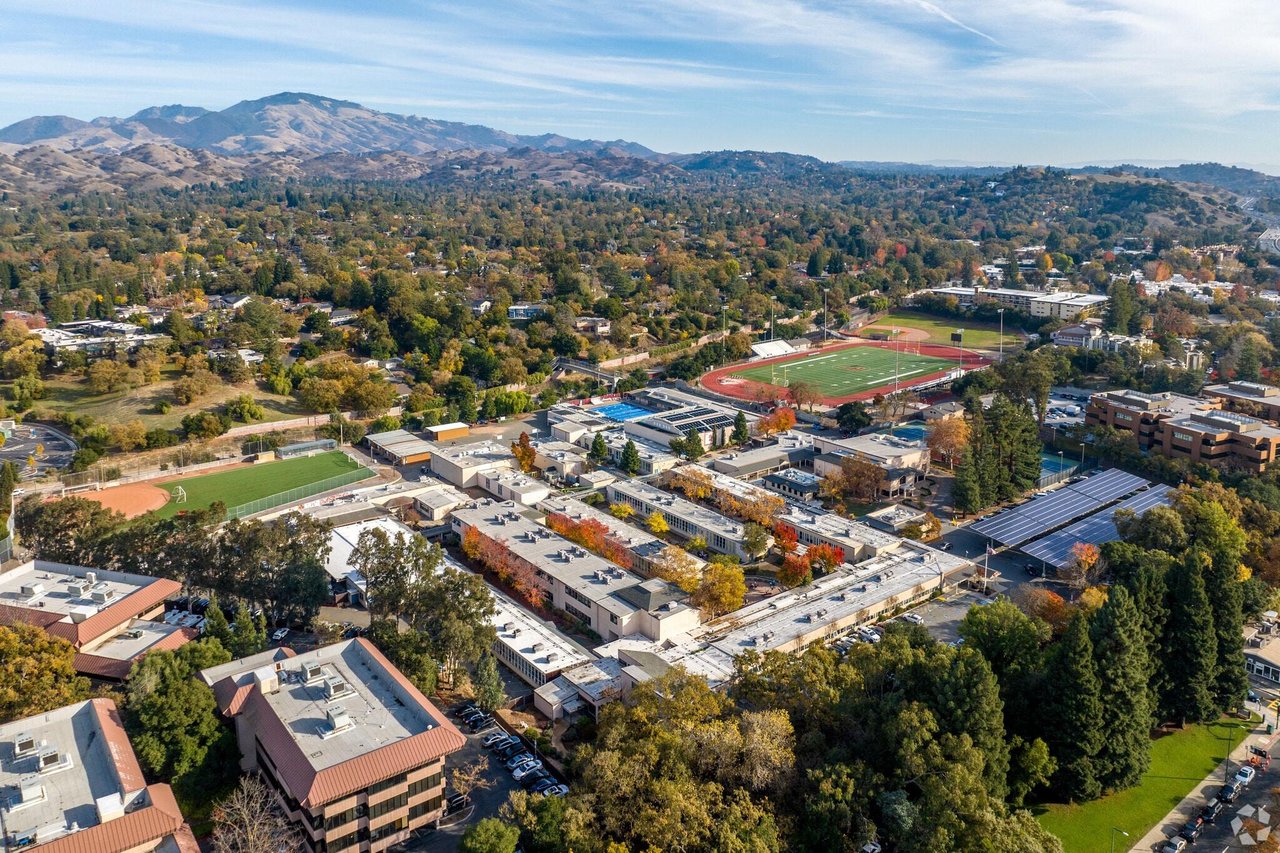
Walnut Creek is served by multiple public school districts, depending on the property address.
These include Walnut Creek School District, Mount Diablo Unified School District, and Acalanes Union High School District.
Investors should verify school assignments directly with the appropriate district rather than relying on neighborhood names or property listings.
Walnut Creek Real Estate Market: What Investors Should Know in 2026
Before purchasing an investment property, it is important to understand both acquisition costs and rental market conditions.
Walnut Creek includes properties at significantly different price points.
Condominiums, townhomes, and detached single-family residences should be evaluated separately because their purchase prices, expenses, and potential rental income can differ considerably.
Understanding Property Prices
Home prices are influenced by:
Neighborhood
Property type
Square footage
Lot size
Home condition
Renovations
HOA obligations
Location
Current inventory
Recent comparable sales
A downtown condominium may have a substantially different purchase price and ownership structure from a detached residence in Northgate or Walnut Heights.
For investment analysis, comparable sales of similar properties are more useful than a single citywide median.
Understanding Rental Income
Rental income varies according to:
Number of bedrooms and bathrooms
Property size
Condition
Parking
Laundry facilities
Outdoor space
Location
Transit access
Lease terms
Competing rental inventory
Investors should research recently leased comparable properties and currently available rentals before estimating income.
A 2026 Rental Market Snapshot
Published rental market data provides useful context.
For example, Zillow Rental Manager reported an average asking rent of approximately $2,949 per month across all bedroom counts and property types in Walnut Creek in October 2026.
This is a broad market indicator, not a reliable estimate for any individual investment property.
A specific condominium or detached residence may rent for significantly more or less.
For accurate investment planning, use property-specific rental comparisons.
Best Walnut Creek Neighborhoods to Research for Investment Properties
Walnut Creek has several neighborhoods worth exploring, but the right investment location depends on your strategy.
Some areas offer attached housing near transit and downtown amenities.
Others feature larger detached residences in established suburban neighborhoods.
This table identifies areas for investment research rather than ranking them by verified investment returns.
1. Downtown Walnut Creek: Transit-Oriented Rental Opportunities
Downtown Walnut Creek is one of the first areas investors may consider when researching rental properties.
The neighborhood offers access to restaurants, shopping, entertainment, and regional transportation.
Why Investors Research Downtown Walnut Creek
Walnut Creek BART access
Broadway Plaza
Restaurants and cafés
Condominiums and townhomes
Walkable amenities in select locations
Regional transportation connections
Investment Property Considerations
Condominiums and townhomes can offer alternatives to detached homes.
However, attached properties often involve homeowners association fees and additional ownership rules.
Before purchasing, review:
Monthly HOA dues
Rental restrictions
Minimum lease requirements
Parking arrangements
Building maintenance
Reserve funding
Special assessment history
Insurance responsibilities
Who Might Consider Downtown?
Investors interested in condominium rentals and properties near transportation or urban amenities may wish to explore downtown Walnut Creek.
The investment should still be evaluated using realistic rental income and total ownership expenses.
2. Northgate: Established Single-Family Rental Properties
Northgate is a recognizable residential area in eastern Walnut Creek.
The neighborhood includes established single-family homes, mature landscaping, and access to nearby parks.
Why Investors Research Northgate
Detached single-family homes
Established residential surroundings
Nearby parks
Local shopping and services
Access to major roads
Different home sizes and layouts
Investment Considerations
Detached homes may offer different rental characteristics from condominiums.
However, they can also involve larger purchase prices and greater maintenance responsibilities.
Investors should evaluate:
Roof condition
Heating and cooling systems
Landscaping
Plumbing and electrical systems
Property taxes
Insurance
Rental comparables
Vacancy assumptions
Who Might Consider Northgate?
Northgate may be worth researching for investors focused on detached residential rental properties.
Purchase price and operating expenses are particularly important when calculating returns.
3. Parkmead: Traditional Homes and Central Walnut Creek Access
Parkmead offers established residential surroundings and convenient access to central Walnut Creek amenities.
The neighborhood includes traditional single-family residences and mature landscaping.
Why Investors Research Parkmead
Established homes
Central Walnut Creek location
Nearby parks
Access to shopping and services
Traditional residential character
Investment Considerations
Some homes may require updates or ongoing maintenance.
Investors should pay attention to:
Property age
Renovation history
Foundation and roof condition
Lot size
Landscaping
Current rental competition
Potential capital improvements
Who Might Consider Parkmead?
Investors interested in established single-family properties may find Parkmead worth exploring.
Careful inspection and accurate repair estimates are essential.
4. Walnut Heights: Scenic Homes and Property-Specific Opportunities
Walnut Heights features established residences, mature landscaping, and scenic surroundings.
Some properties include larger lots or hillside characteristics.
Why Investors Research Walnut Heights
Distinctive residential properties
Mature landscaping
Scenic surroundings
Established neighborhood character
Access to Walnut Creek amenities
Investment Considerations
Hillside properties may require additional due diligence.
Important considerations include:
Drainage
Slope conditions
Foundation maintenance
Insurance availability
Landscaping costs
Property access
Comparable rental properties
Who Might Consider Walnut Heights?
Walnut Heights may appeal to investors researching distinctive detached homes.
However, higher maintenance costs or acquisition prices can affect investment performance.
5. Lakewood and Sun Valley: Established Residential Alternatives
Lakewood and Sun Valley are additional Walnut Creek areas worth evaluating.
Both include established residential properties with varying home styles, lot sizes, and locations.
Why Investors Research These Areas
Established residential surroundings
Different single-family home options
Access to local amenities
Neighborhood-specific rental opportunities
Investment Considerations
Investors should compare properties individually.
Evaluate:
Purchase price
Expected rent
Property condition
Renovation requirements
Transportation convenience
Local rental competition
Insurance costs
Maintenance expenses
Who Might Consider These Neighborhoods?
Investors seeking alternatives to downtown condominiums or higher-priced residential areas may wish to compare available listings in Lakewood and Sun Valley.
The strongest opportunity depends on the numbers for the specific property.
6. Rossmoor: Special Considerations for Investment Buyers
Rossmoor is a gated, age-restricted community in Walnut Creek.
It offers residential options and extensive recreational amenities.
However, Rossmoor should not be evaluated in the same way as a conventional unrestricted rental property.
Important Considerations
Potential investors must review:
Age eligibility requirements
Ownership structure
HOA or cooperative rules
Leasing restrictions
Rental eligibility
Occupancy requirements
Applicable fees
Financing limitations
Resale requirements
Some properties may have restrictions that significantly affect rental investment feasibility.
Investor Tip: Never assume that a Rossmoor property can be purchased and rented as an unrestricted investment. Confirm the governing documents and applicable rules before proceeding.
Types of Investment Properties in Walnut Creek
Investors can explore several residential property categories.
Single-Family Rental Homes
Detached residences may appeal to renters seeking additional indoor or outdoor space.
Potential advantages include individual property control and different long-term ownership options.
Potential challenges include higher acquisition costs and maintenance responsibilities.
Condominiums
Condominiums may offer lower purchase prices than certain detached homes.
However, HOA fees, rental restrictions, and special assessments can affect profitability.
Townhomes
Townhomes may offer a combination of attached-home ownership and residential space.
Investors should review maintenance responsibilities and association rules.
Multifamily Properties
Certain multifamily properties may provide income from multiple rental units.
Availability, zoning, financing, and applicable regulations should be reviewed carefully.
Properties With Accessory Dwelling Units
Some single-family properties may include existing accessory dwelling units or potential space for an ADU.
Investors must verify permits, zoning, construction requirements, rental legality, and financing considerations.
An unpermitted structure should not automatically be counted as lawful rental income.
How to Calculate Rental Property Cash Flow
One of the most important steps in evaluating an investment property is calculating potential cash flow.
Cash flow is the money remaining after rental income is reduced by operating expenses and debt payments.
A property may generate substantial monthly rent but still produce negative cash flow.
Example: Hypothetical Walnut Creek Rental Property
The following numbers are illustrative only and do not represent a current listing or verified neighborhood rental rate.
In this hypothetical scenario, the property produces negative monthly cash flow.
That does not automatically mean it is unsuitable for every investor, but it demonstrates why purchase price, financing, and ownership expenses matter.
The example also excludes certain potential costs, such as leasing fees, utilities paid by the owner, major capital replacements, and unexpected repairs.
Understanding Cap Rate and Cash-on-Cash Return
Investors often use financial metrics to compare potential properties.
Capitalization Rate
Capitalization rate, or cap rate, measures net operating income relative to the property's purchase price or value.
Formula:
Cap Rate = Annual Net Operating Income ÷ Property Purchase Price × 100
For example:
Annual net operating income: $24,000
Purchase price: $600,000
Cap Rate = 4%
This hypothetical property has a 4% cap rate.
Cap rate generally excludes mortgage financing and income taxes.
Cash-on-Cash Return
Cash-on-cash return compares annual pre-tax cash flow with the cash invested.
Formula:
Cash-on-Cash Return = Annual Pre-Tax Cash Flow ÷ Total Cash Invested × 100
For example:
Annual pre-tax cash flow: $6,000
Total cash invested: $150,000
Cash-on-Cash Return = 4%
These metrics can help compare opportunities, but they should be used alongside vacancy assumptions, repair budgets, and risk assessments.
Key Expenses Walnut Creek Investors Should Evaluate
A realistic investment analysis should account for more than the mortgage payment.
Property Taxes
California property taxes are based on assessed value and applicable local assessments.
Investors should estimate taxes using the anticipated purchase price and property-specific information.
Insurance
Landlord insurance costs vary by property type, location, construction, and risk exposure.
HOA Fees
Condominiums and townhomes may involve substantial monthly association dues.
Maintenance
Routine maintenance may include plumbing, appliances, heating and cooling systems, landscaping, and exterior repairs.
Property Management
Investors who hire a property manager should include management fees in their calculations.
Vacancy
Rental properties may experience periods without rental income.
Leasing Costs
Advertising, screening, and lease preparation may create additional expenses.
Capital Expenditures
Major replacements such as roofing, HVAC systems, or other building components require financial planning.
Legal and Compliance Expenses
Landlords may incur costs related to regulatory compliance, inspections, professional advice, and required notices.
Understanding California Rental Laws
Real estate investors should understand applicable landlord-tenant requirements before purchasing.
California's Tenant Protection Act, commonly associated with AB 1482, establishes rent increase limits and just-cause eviction protections for many covered rental properties.
For covered units, the statewide annual rent increase cap generally follows the lower of:
5% plus the applicable cost-of-living adjustment; or
10%
The actual permitted increase may be lower, and exemptions and additional requirements apply.
Some single-family homes, condominiums, and newer properties may qualify for exemptions, subject to statutory conditions and notice requirements.
Investors should also research:
Security deposit requirements
Fair housing laws
Habitability standards
Tenant screening rules
Required disclosures
Eviction procedures
Local ordinances
HOA rental restrictions
Short-term rental regulations
Important: Rental regulations change. Consult a qualified California real estate attorney or property management professional for property-specific legal guidance.
Is Walnut Creek Better for Cash Flow or Long-Term Appreciation?
Different investors pursue different financial goals.
Cash Flow Investing
Cash flow investors focus on generating positive income after expenses and financing.
In a relatively high-cost market, purchase prices and mortgage payments can make positive cash flow more difficult to achieve.
Investors should avoid assuming that high rent automatically means strong cash flow.
Long-Term Appreciation
Other investors focus on long-term ownership and potential property value growth.
Walnut Creek's location, amenities, transportation connections, and residential neighborhoods may be relevant to that strategy.
However, future appreciation is uncertain and can be affected by market conditions, interest rates, and economic changes.
A Balanced Investment Strategy
Some investors evaluate both current income and long-term ownership potential.
The right strategy depends on:
Available capital
Financing
Risk tolerance
Investment horizon
Expected rental income
Ownership expenses
Property condition
Exit strategy
A strong investment decision should be based on realistic financial assumptions rather than predictions.
Risks of Buying Investment Property in Walnut Creek
Every real estate investment carries risk.
High Acquisition Costs
A high purchase price may reduce cash flow and increase the amount of capital required.
Financing Costs
Interest rates and loan terms can significantly affect monthly expenses.
Vacancy Risk
A vacant property may continue generating expenses without rental income.
Maintenance and Repairs
Unexpected repairs can reduce annual returns.
HOA Restrictions
Some communities restrict rentals or impose additional requirements.
Regulatory Changes
Landlord-tenant laws and local ordinances can change.
Insurance Costs
Insurance availability and premiums can affect investment feasibility.
Market Fluctuations
Property values and rental rates may rise or fall.
Liquidity
Selling real estate can take time and involve transaction costs.
Investors should consider these risks before purchasing.
How to Evaluate a Walnut Creek Investment Property
Before making an offer, use a structured evaluation process.
Step 1: Define Your Investment Strategy
Decide whether your primary goal is cash flow, long-term appreciation, or a combination.
Step 2: Establish Your Budget
Calculate your available down payment, closing costs, reserves, and renovation budget.
Step 3: Compare Neighborhoods
Review location, transportation, property types, and rental competition.
Step 4: Research Comparable Rents
Use recently leased properties and current rental listings to estimate achievable rent.
Step 5: Calculate Ownership Expenses
Include taxes, insurance, maintenance, management, HOA dues, and vacancy.
Step 6: Inspect the Property
Review structural condition, major systems, and potential repairs.
Step 7: Verify Rental Restrictions
Confirm HOA rules, zoning, permits, and applicable landlord-tenant regulations.
Step 8: Evaluate Financing
Compare available investment property loan options and financing costs.
Step 9: Run Multiple Scenarios
Calculate returns under optimistic, expected, and conservative assumptions.
Step 10: Review Your Exit Strategy
Consider how you may eventually sell, refinance, or continue holding the property.
20 Frequently Asked Questions About Walnut Creek Investment Properties
1. Is Walnut Creek a good place to buy an investment property?
Walnut Creek offers characteristics worth considering, including transportation access, established neighborhoods, and rental housing options. Whether a property is a good investment depends on its purchase price, rental income, expenses, and risk.
2. Is Walnut Creek a good market for rental properties?
Walnut Creek has an active rental market, but rental demand and profitability vary by property type, location, and price.
3. What is the average rent in Walnut Creek, CA?
Published rental averages vary by provider and methodology. Zillow Rental Manager reported approximately $2,949 per month across all property types and bedroom counts in October 2026.
4. What neighborhoods should investors research in Walnut Creek?
Downtown Walnut Creek, Northgate, Parkmead, Walnut Heights, Lakewood, and Sun Valley are areas worth comparing.
5. Is Downtown Walnut Creek a good area for rental investment?
Downtown offers access to shopping, dining, and transportation. Investors should evaluate purchase prices, HOA expenses, rental restrictions, and comparable rents.
6. Are Walnut Creek condominiums good investment properties?
Some condominiums may be suitable investments, but HOA fees, rental restrictions, insurance, and maintenance obligations can significantly affect returns.
7. Are single-family homes good rental investments in Walnut Creek?
Detached homes may offer attractive rental characteristics, but acquisition and maintenance costs can be substantial.
8. Is Northgate worth considering for investment property?
Northgate offers established single-family homes and nearby amenities. Investors should evaluate individual properties using current rental and sales comparables.
9. Can I rent out a property in Rossmoor?
Rental eligibility depends on the property's ownership structure, community rules, and applicable restrictions. Investors must verify these requirements before purchasing.
10. Does BART access matter for rental properties?
Transportation convenience may appeal to certain renters, but any rental premium should be supported by comparable market data.
11. What is a good cap rate for Walnut Creek investment property?
There is no universally appropriate cap rate. Investors should compare returns with financing costs, property risks, investment goals, and alternative opportunities.
12. How do I calculate rental property cash flow?
Subtract operating expenses and mortgage payments from rental income, accounting for vacancy and reserves.
13. Do Walnut Creek rental properties require HOA fees?
Some do. Condominiums, townhomes, and planned communities may have monthly HOA dues.
14. Are there rental restrictions in Walnut Creek?
Rental properties may be subject to state laws, local regulations, and HOA restrictions. Requirements vary by property.
15. Does California rent control apply to Walnut Creek properties?
California's Tenant Protection Act applies to many residential rentals, although exemptions exist. Investors should verify the rules applicable to their property.
16. Can I buy a Walnut Creek property with an ADU?
Some properties include accessory dwelling units. Investors should verify permits, legal rental status, zoning, and property-specific requirements.
17. Is Walnut Creek better for cash flow or appreciation?
That depends on the individual property and investment strategy. High purchase prices can challenge cash flow, while future appreciation remains uncertain.
18. What are the biggest risks of investing in Walnut Creek real estate?
Major risks include acquisition costs, financing expenses, vacancy, maintenance, HOA restrictions, insurance, and market fluctuations.
19. Should I hire a property manager?
That depends on your experience, availability, property location, and willingness to handle tenant relations, maintenance, and legal compliance.
20. How can David Weiss help me buy an investment property in Walnut Creek?
David Weiss of Compass Real Estate can help investors explore available properties, compare neighborhoods, review comparable sales, evaluate property characteristics, and navigate the real estate purchase process.
Is Walnut Creek the Right Real Estate Investment Market for You?
Walnut Creek offers several features that may attract residential real estate investors.
Its transportation connections, established neighborhoods, shopping destinations, outdoor recreation, and variety of housing options create opportunities to research different investment strategies.
Downtown condominiums may appeal to investors focused on attached housing near urban amenities.
Northgate, Parkmead, Walnut Heights, Lakewood, and Sun Valley offer different single-family property opportunities.
However, the strongest investment is not necessarily the property in the most recognizable neighborhood.
It is the property whose purchase price, expected rental income, ownership expenses, and risk profile align with your financial goals.
Successful real estate investing requires careful analysis, realistic assumptions, and informed decision-making.
Before purchasing, compare properties, review current market data, calculate potential returns, and understand applicable rental regulations.
With the right research and professional guidance, investors can make more informed decisions about opportunities in Walnut Creek.
WORK WITH DAVID WEISS
Your Walnut Creek and East Bay Real Estate Resource
Whether you're purchasing your first rental property, expanding an existing real estate portfolio, or considering the sale of an investment property, understanding the local market is essential.
David Weiss of Compass Real Estate helps buyers and sellers navigate Walnut Creek and surrounding East Bay communities with local real estate knowledge and personalized guidance.
David can help you compare properties, review recent sales, and understand neighborhood differences as you evaluate your investment goals.
For Real Estate Investors
David can assist with:
Exploring Walnut Creek investment properties
Comparing residential neighborhoods
Reviewing available listings
Evaluating property characteristics
Researching comparable sales
Comparing attached and detached housing options
Identifying property-specific considerations
Coordinating the purchase process
Navigating offers and negotiations
Exploring available Compass listing opportunities
For Property Sellers
David can help with:
Reviewing local market conditions
Evaluating comparable sales
Developing a pricing strategy
Preparing a property for sale
Creating a tailored marketing plan
Highlighting relevant property features
Using Compass marketing resources
Reviewing offers
Negotiating transaction terms
Managing the selling process
Contact David Weiss
David Weiss
Compass Real Estate
DRE #01962589
925-232-4260
DavidWeissRealEstate.com
[email protected]
Serving: Walnut Creek, Danville, San Ramon, Alamo, and surrounding East Bay communities.
Ready to Explore Walnut Creek Investment Properties?
Connect with David Weiss to compare available properties, evaluate neighborhood opportunities, and take the next step toward your East Bay real estate investment go