Concord's 12,000-Home Mega Development Moves Forward: What It Means for the East Bay
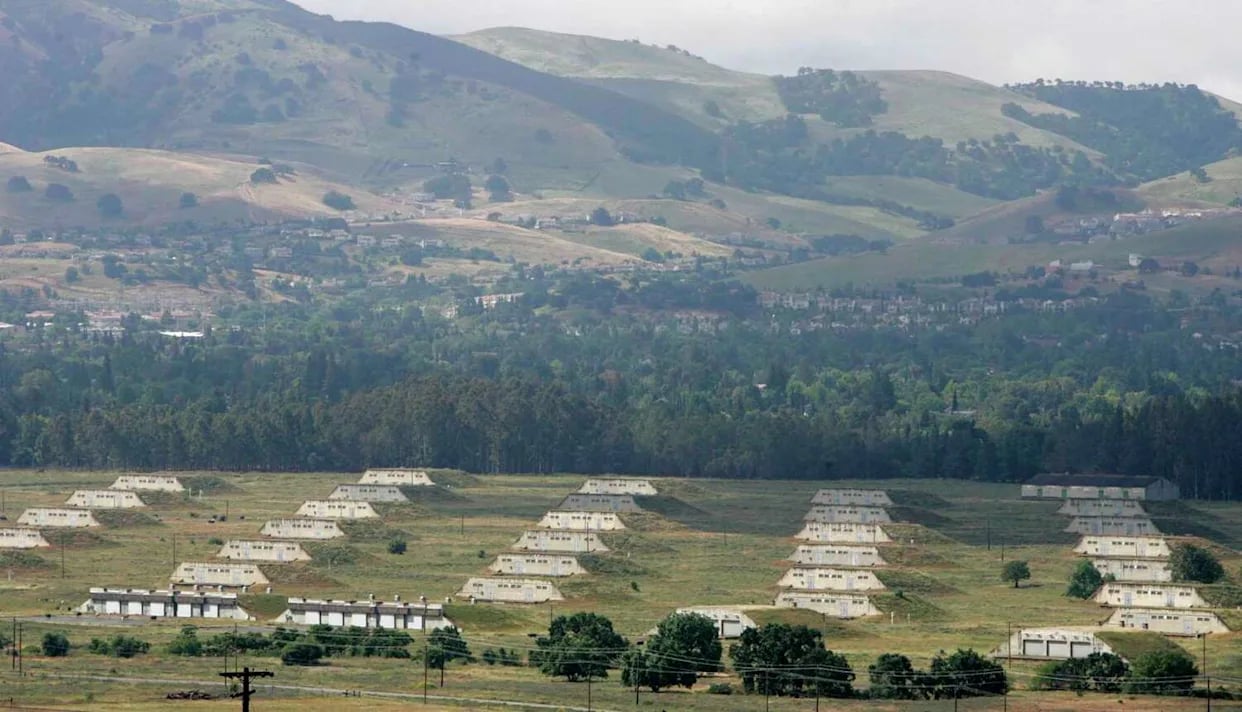
After years of negotiations, delays, political challenges, and failed development attempts, the City of Concord has taken a major step toward transforming the former Concord Naval Weapons Station into one of the largest master-planned communities in California.
The Concord City Council recently approved a landmark financial agreement with the U.S. Navy that could eventually pave the way for a massive mixed-use development featuring more than 12,000 homes, schools, parks, retail centers, office space, and community amenities spread across more than 2,200 acres.
If completed, the redevelopment would represent one of the most significant housing and economic development projects in Bay Area history and could reshape the future of Concord and neighboring East Bay communities for decades.
What Is Being Proposed?
The redevelopment plan calls for the transformation of the former Concord Naval Weapons Station into an entirely new community.
Current plans include:
✅ 12,272 new homes
✅ Approximately 25% affordable housing
✅ More than 800 acres of parks and open space
✅ New schools and community facilities
✅ Two new fire stations
✅ Nearly 6 million square feet of commercial, retail, and innovation space
✅ Transit-oriented development near North Concord BART
✅ Extensive trails, recreation areas, and environmental restoration projects
The project is being led by Brookfield Properties and is expected to be built in five phases over approximately 30 years.
A Project More Than a Decade in the Making
Redevelopment efforts for the former naval base have faced numerous obstacles.
The military installation ceased operations decades ago, leaving one of the largest undeveloped land opportunities in Northern California.
Several previous development teams failed to move the project forward due to labor disputes, economic concerns, and disagreements between developers, unions, and government agencies.
The difference today is that the City of Concord, Brookfield Properties, and the U.S. Navy have finally reached an agreement regarding land transfer and financial terms.
Under the approved agreement:
-
Brookfield would pay the Navy approximately $628 million over 30 years.
-
The project is estimated to generate roughly $7 billion in total value.
-
Infrastructure, roads, utilities, schools, and public facilities would be constructed over multiple decades.
-
Brookfield must secure key approvals and entitlements by December 2029.
This agreement represents the most significant progress the project has seen since redevelopment discussions began.
When Will Construction Begin?
Although the project has reached an important milestone, construction is still years away.
Current estimates suggest:
-
Infrastructure work could begin around 2030.
-
Initial residential development may start shortly thereafter.
-
The first phase is expected to include approximately 2,258 homes.
-
Full buildout could take 25 to 30 years.
In other words, this is a long-term transformation rather than an immediate housing boom.
Environmental Cleanup Remains a Major Hurdle
One of the largest challenges facing the redevelopment is environmental remediation.
Because portions of the property were used for military weapons storage during World War II and beyond, some areas contain contamination including lead, arsenic, and other hazardous materials.
The site remains under federal environmental oversight, and the Navy must complete substantial cleanup work before development can proceed.
City leaders have emphasized that environmental remediation will play a critical role in determining the project's timeline.
How Could This Affect Concord Home Values?
One of the biggest questions homeowners are asking is whether thousands of new homes will help or hurt existing property values.
The answer is likely both—depending on the timeframe.
Short-Term Impact
As newly constructed homes become available, buyers will naturally compare them to existing housing inventory.
New construction often offers:
-
Modern floor plans
-
Energy-efficient systems
-
Solar technology
-
Smart-home features
-
Contemporary finishes
Some older homes may face increased competition from buyers attracted to brand-new properties.
Homes requiring updates could experience slower appreciation compared to fully renovated properties.
Long-Term Impact
Historically, large master-planned communities often increase the overall desirability of an area.
Billions of dollars invested into:
-
Infrastructure
-
Parks
-
Schools
-
Commercial centers
-
Transportation improvements
can create stronger long-term demand for surrounding neighborhoods.
Established communities often benefit as buyers seek larger lots, mature landscaping, and neighborhoods with character that newer developments cannot replicate.
For many homeowners, strategic improvements made today could position their property to benefit from future growth.
What Could This Mean for Nearby Cities?
The impact will likely extend far beyond Concord itself.
Walnut Creek
Walnut Creek remains one of the East Bay's premier destinations for shopping, dining, entertainment, and luxury housing.
As population growth increases throughout Contra Costa County, Walnut Creek may continue attracting buyers who want access to high-end amenities while remaining close to major employment centers and transit options.
Pleasant Hill
Pleasant Hill could benefit from increased demand due to:
-
Strong schools
-
Established neighborhoods
-
Convenient freeway access
-
Central East Bay location
Its proximity to Concord positions it well for long-term appreciation.
Clayton
Clayton's small-town atmosphere and scenic setting near Mount Diablo remain highly desirable.
Some buyers seeking alternatives to new construction may look toward Clayton's established communities.
Martinez
Martinez may experience additional demand from buyers seeking affordability while staying close to growing employment and housing centers.
Pittsburg and Antioch
As affordability remains a challenge throughout the Bay Area, eastern Contra Costa County communities could see increased interest from buyers looking for more attainable housing options.
What About Schools?
A project of this size will bring thousands of new families into the region.
The development includes plans for new educational facilities and community infrastructure designed to support population growth.
Potential benefits include:
-
New school construction
-
Expanded educational resources
-
Increased district funding opportunities
-
Stronger community partnerships
Because school quality remains one of the strongest drivers of long-term property values, future educational investments will be closely watched by buyers and homeowners alike.
Will Traffic Get Worse?
Traffic is one of the most common concerns raised by residents.
Adding thousands of homes will inevitably create new transportation demands.
To help address those concerns, planners are emphasizing transit-oriented development around North Concord BART and investing in:
-
Road improvements
-
Public transportation access
-
Pedestrian-friendly design
-
Bicycle infrastructure
-
Utility upgrades
However, questions remain about the long-term future of North Concord BART and how regional transportation systems will evolve over the coming decades.
Could This Help Solve the Bay Area Housing Shortage?
California continues to face one of the most severe housing shortages in the nation.
Adding more than 12,000 homes could represent one of the largest housing expansions in Contra Costa County history.
While no single project will solve the region's housing challenges, additional inventory may help:
-
Improve housing availability
-
Create more homeownership opportunities
-
Increase affordable housing options
-
Reduce pressure on surrounding communities
-
Support workforce housing needs
The inclusion of approximately 25% affordable housing also represents a significant component of the overall plan.
Final Thoughts
The Concord Naval Weapons Station Redevelopment represents one of the most ambitious real estate projects ever proposed in the East Bay.
Although construction remains years away, the recent agreement between the City of Concord, Brookfield Properties, and the U.S. Navy marks a significant milestone toward bringing the vision to life.
For homeowners, buyers, and investors, the project could create substantial long-term opportunities through increased economic activity, new infrastructure, expanded amenities, and continued growth throughout Contra Costa County.
While many details will continue to evolve over the coming years, one thing is becoming increasingly clear: Concord's future is likely to look very different than it does today.
About David Weiss | Compass
As a trusted East Bay real estate professional, David Weiss of Compass helps buyers and sellers navigate changing market conditions throughout Concord, Walnut Creek, Pleasant Hill, Clayton, Martinez, Danville, San Ramon, and surrounding communities.
Through the Compass Concierge program, eligible homeowners can prepare their homes for market with strategic improvements designed to maximize value and attract stronger offers.
Whether you're buying, selling, investing, or simply monitoring local market trends, David Weiss can help you understand how major developments like the Concord Naval Weapons Station Redevelopment may impact your real estate decisions.
Contact David Weiss of Compass today for a personalized home value consultation or market analysis.
David Weiss