Unlocking Value: Finding Fixer-Uppers and Incomplete Construction in Alameda and Contra Costa Counties
In the highly competitive East Bay real estate market, standard inventory can often feel limited, especially for investors and buyers looking to build immediate equity. However, some of the most lucrative opportunities in today's market don't come neatly packaged with a "turnkey" bow. Instead, they come from properties that are still under construction, partially completed, or in need of significant renovation.
For the right buyer, these projects offer incredible flexibility, deep customization, and substantial long-term value. However, navigating them requires a highly strategic and thoughtful approach.
To uncover these hidden gems, working with a well-connected local real estate expert like David Weiss of Compass can give you the definitive edge. Through exclusive tools and deep-rooted local networks, David can help you navigate the complexities of this niche market, from sourcing off-market inventory to structuring the right capital partner.
What Defines an "Incomplete" Property?
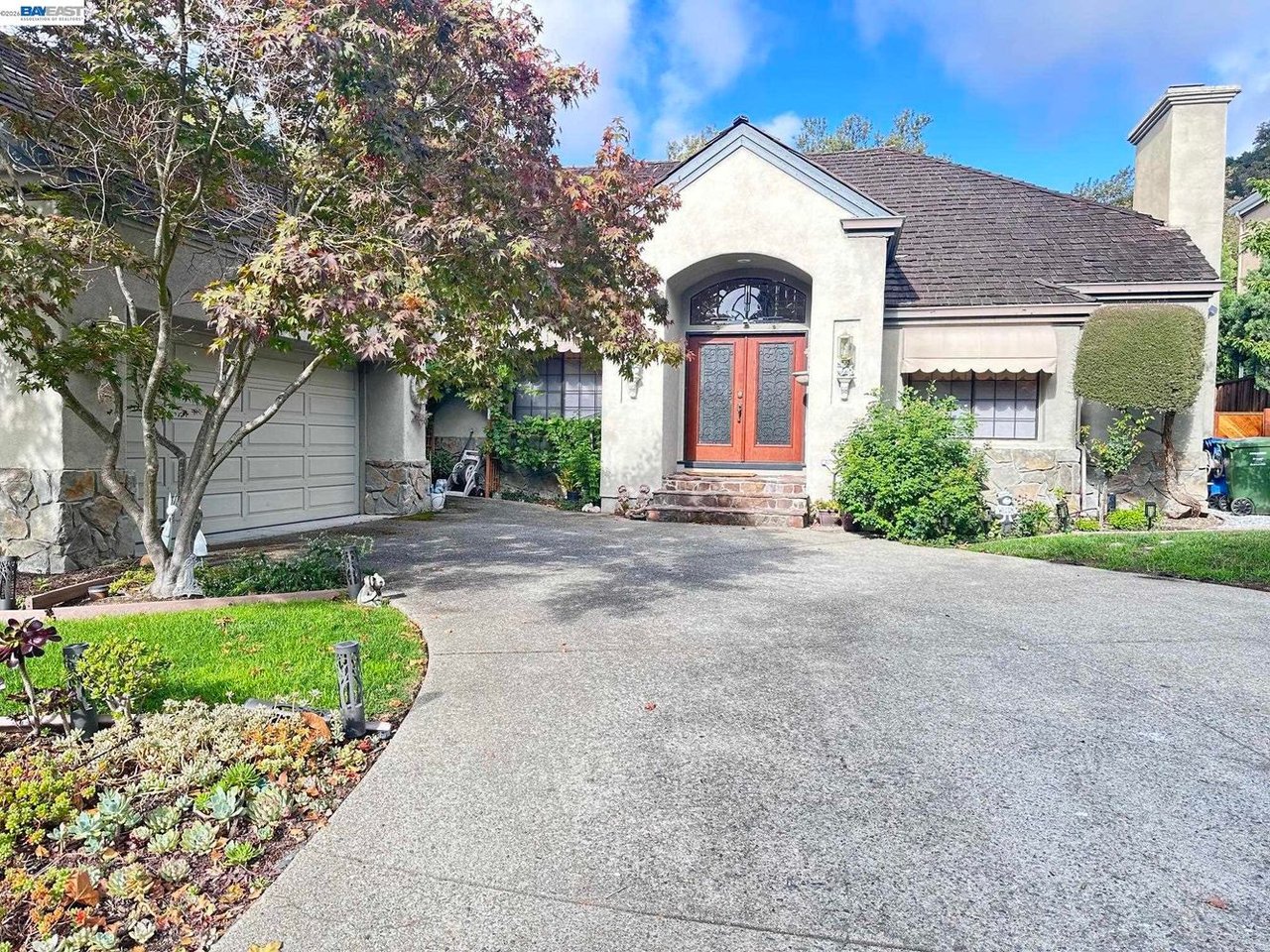
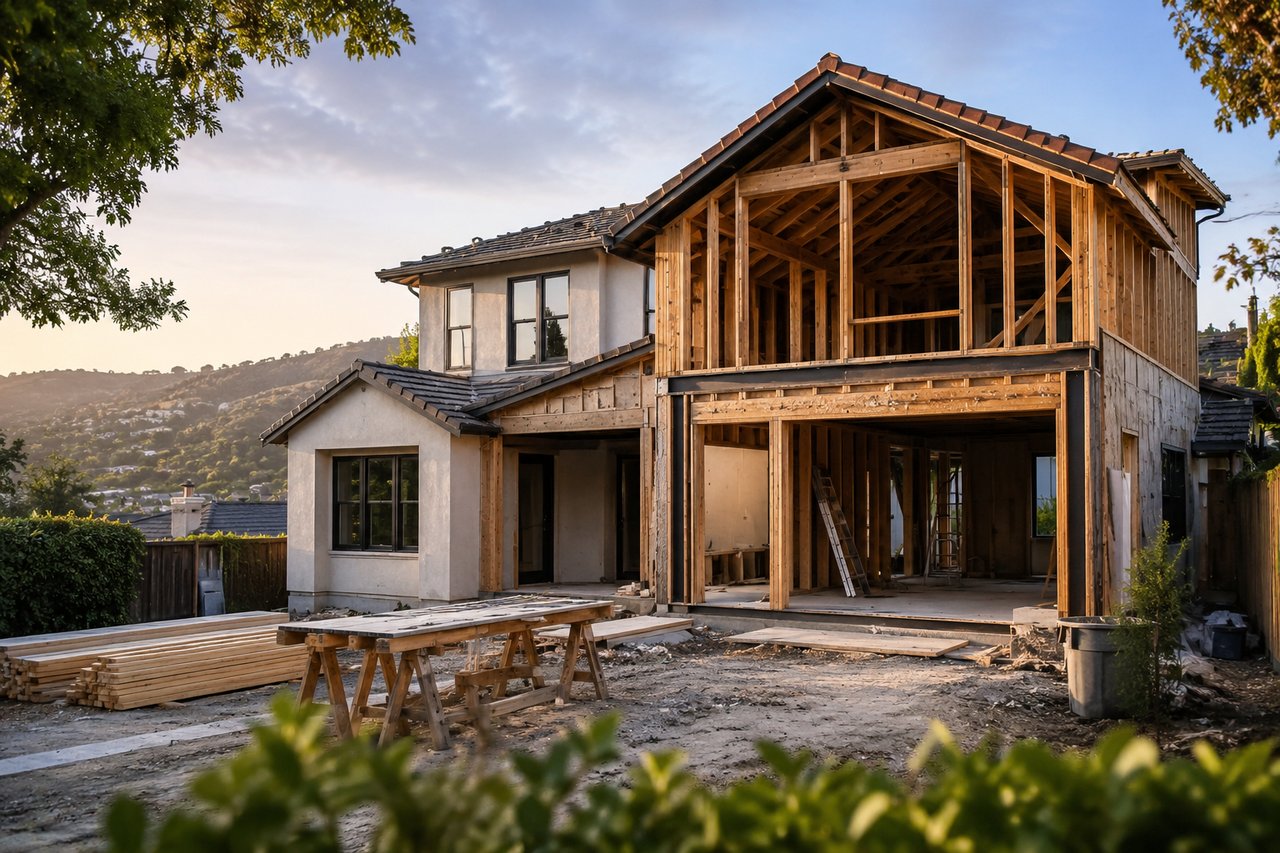
Not all unfinished homes are the same, and categorizing them correctly is vital for your financial planning. In Alameda and Contra Costa counties, you will generally run into three distinct buckets:
-
New Construction Close to Completion: Homes where the heavy lifting is done, but finishing touches (flooring, cabinetry, landscaping) are still pending.
-
A Project Mid-Construction: Properties with framing, roofing, or rough-ins completed, but requiring a builder to bring it across the finish line.
-
A Renovation Started But Never Finished: Fixer-uppers where a previous owner or investor stalled out due to budget, timeline, or life changes.
Where the project sits on this spectrum will directly affect your overall completion cost, your total timeline, and how hands-on you will need to be with contractors and local building departments.
Why Investors and Buyers Consider These Opportunities
Despite the extra effort required, the demand for non-traditional inventory in the East Bay remains incredibly strong for three major reasons:
1. Tailored Customization
Instead of paying a premium for someone else’s design choices, an incomplete home allows you to influence the final finishes, layout details, or overall design direction. You get to shape the property to match your exact vision or target market.
2. Built-In Equity Potential
Pricing for incomplete builds and heavy fixer-uppers usually reflects their unfinished state. Buying at a discount creates massive room for immediate added equity the second the final occupancy permit is signed.
3. Access to Prime East Bay Locations
In highly established East Bay neighborhoods—like Danville, San Ramon, Walnut Creek, Lafayette, or Berkeley—vacant land and new construction inventory are exceptionally scarce. Taking over a partial build or a distressed property offers an entry point into luxury zip codes where fully completed homes are locked behind fierce bidding wars.
Key Considerations Before Moving Forward
Before diving headfirst into an unfinished project, you must vet the logistical, regulatory, and legal framework of the property.
-
Permits & Plans: Confirm that all local building permits are fully approved, active, and transferrable. Review the architectural plans carefully with an expert to ensure they align with your expectations.
-
Builder & Team Continuity: Understand exactly who will complete the project. Will the current builder stay on to finish the job, or will you need to assemble your own team of contractors?
-
Realistic Budgeting: Finishing a stalled project often costs more than a standard line-item estimate suggests. It is vital to build in a significant financial cushion—not just for raw materials and construction labor, but to cover unexpected delays and administrative changes.
-
Timeline Expectations: In local municipal planning offices across Alameda and Contra Costa counties, delays are not uncommon. If you are relying on a strict move-in or flip date, you need to account for buffer time early in the planning phases.
The Blueprint of Success: Financing Your Unfinished Project
Traditional conventional mortgages rarely apply to unfinished homes because traditional lenders require a certificate of occupancy to secure the loan. Navigating incomplete properties or deep fixer-uppers requires selecting a funding mechanism tailored to your timeline, liquidity, and investment goals.
All-Cash Offers
Cash is the gold standard when buying distressed or incomplete projects.
-
The Advantage: It allows you to close quickly—frequently in less than 7 to 10 days—making your offer highly attractive to stressed sellers who want to offload a project immediately.
-
The Nuance: It locks up a massive amount of personal capital that could otherwise be used to fund the actual construction or split across multiple concurrent investment properties.
Hard Money Loans (Private Capital)
Hard money is short-term funding provided by private lenders or companies rather than standard institutions.
-
The Advantage: Hard money lenders care primarily about the property’s After Repair Value (ARV) and the collateral itself, rather than your personal credit score. Approval can happen in a matter of days, offering speed comparable to cash. They also routinely structure the loan to cover a substantial portion of the actual rehab/construction costs via a dedicated draw schedule.
-
The Nuance: This agility comes at a cost. Hard money typically carries higher interest rates (frequently ranging from 8% to 15%) and shorter repayment terms (typically 6 months to 3 years), requiring a crystal-clear exit strategy—either a quick flip or a refinance into a permanent loan.
Traditional Construction Loans
A traditional construction loan or a Construction-to-Permanent loan is offered by traditional banks or credit unions.
-
The Advantage: They offer significantly lower interest rates than hard money and can seamlessly convert into a traditional 15- or 30-year fixed mortgage once construction is complete.
-
The Nuance: The underwriting process is incredibly strict, intensive, and slow. The bank will thoroughly audit your financial history, require fully finalized architectural plans, and vet the licensed general contractor you intend to use before releasing a single dollar.
When It Makes Sense
This type of purchase is specialized and isn't the right fit for every buyer. This path tends to work best for investors and buyers who:
-
Are comfortable navigating some level of structural or bureaucratic uncertainty.
-
Have genuine flexibility in their personal living arrangements and timelines.
-
See immense value in shaping the final result rather than buying something fully complete.
The Strategic Advantage: Off-Market Opportunities and Private Exclusives
Because incomplete construction projects and deep fixer-uppers carry a lot of nuance, many sellers prefer not to list them publicly on the MLS (Multiple Listing Service). Public listings accumulate "days on market," which can incorrectly signal to the public that there is something inherently wrong with the property.
This is where working with David Weiss of Compass changes the game.
As a premier agent with Compass, David leverages the immense power of the nation's largest independent brokerage network. A core component of this advantage is Compass Private Exclusives—a dedicated, internal network of off-market properties shared strictly among Compass agents and their vetted clients.
The Off-Market Edge: By tapping into Private Exclusives, investors get a first-look at unfinished custom builds, estate sales, and distressed properties before they ever hit the public market or mainstream portals like Zillow. This means you can evaluate data, negotiate terms, and secure equity completely bypassing mainstream buyer competition and bidding wars.
A Thoughtful, Protected Approach
These situations are complex and require intense coordination. Beyond finding the deal, David Weiss ensures you approach the transaction with maximum protection.
Because the product is unfinished, having a qualified real estate attorney review the transfer contracts prior to signing is critical. You must know exactly who is responsible for past mechanics' liens, outstanding vendor fees, and municipal compliance. As the saying goes, the best real estate problems are the ones avoided entirely.
Ready to Explore the East Bay Portfolio?
Navigating partial construction and complex financing isn't something you should do alone. As your real estate advisor, David Weiss can consult with you to review your capital strategy, analyze local zoning rules, and tap directly into the Compass off-market pipeline to find a property that perfectly aligns with your investment strategy.
David Weiss