The Neighborhood Features Buyers Pay More For in Danville
How trail access, downtown convenience, privacy, and everyday surroundings can influence a Danville home’s appeal.
Two homes with similar floor plans, square footage, and finishes can attract very different offers. In Danville, California, part of that difference may come from what surrounds the property.
A convenient walking route, a private backyard, or a location that simplifies the daily commute can make a home more appealing to a particular buyer. These features help explain why comparing homes requires more than looking at bedroom counts and interior upgrades.
However, no neighborhood amenity produces a guaranteed price premium. Its contribution depends on recent comparable sales, the property’s condition, available alternatives, and what buyers are seeking.
For homeowners preparing to sell, the opportunity is to identify the location benefits their property offers and explain them clearly.
Quick Overview: Features Worth Evaluating
1. Convenient Access to the Iron Horse Regional Trail
For buyers who enjoy walking, running, or cycling, convenient trail access can be an everyday benefit.
The Iron Horse Regional Trail connects Danville with other East Bay communities and provides opportunities to incorporate recreation into a regular routine.
The important detail is how easily someone can reach it from the home.
A property might appear close to the trail on a map while requiring a longer walk to an entrance. Buyers should consider street crossings, sidewalks, and the route itself.
Seller tip: Describe the nearest verified access point and show how it connects to the property. Avoid suggesting direct access unless it exists.
2. Walkability to Downtown Danville
Being able to leave the car at home can be a meaningful convenience.
For some buyers, the appeal is walking to coffee or dinner. Others value access to shopping, entertainment, or community activities. Downtown also includes gathering and performance spaces such as Prospect Park Plaza and the Village Theatre.
Walkability involves more than distance. Buyers may also consider:
Whether the route has continuous sidewalks.
The number and type of street crossings.
Lighting after dark.
Traffic along the route.
How comfortable the walk feels.
Seller tip: Use accurate distances and describe specific destinations. “Near downtown” is less informative than explaining the actual connection.
3. Open-Space Views and a Sense of Separation
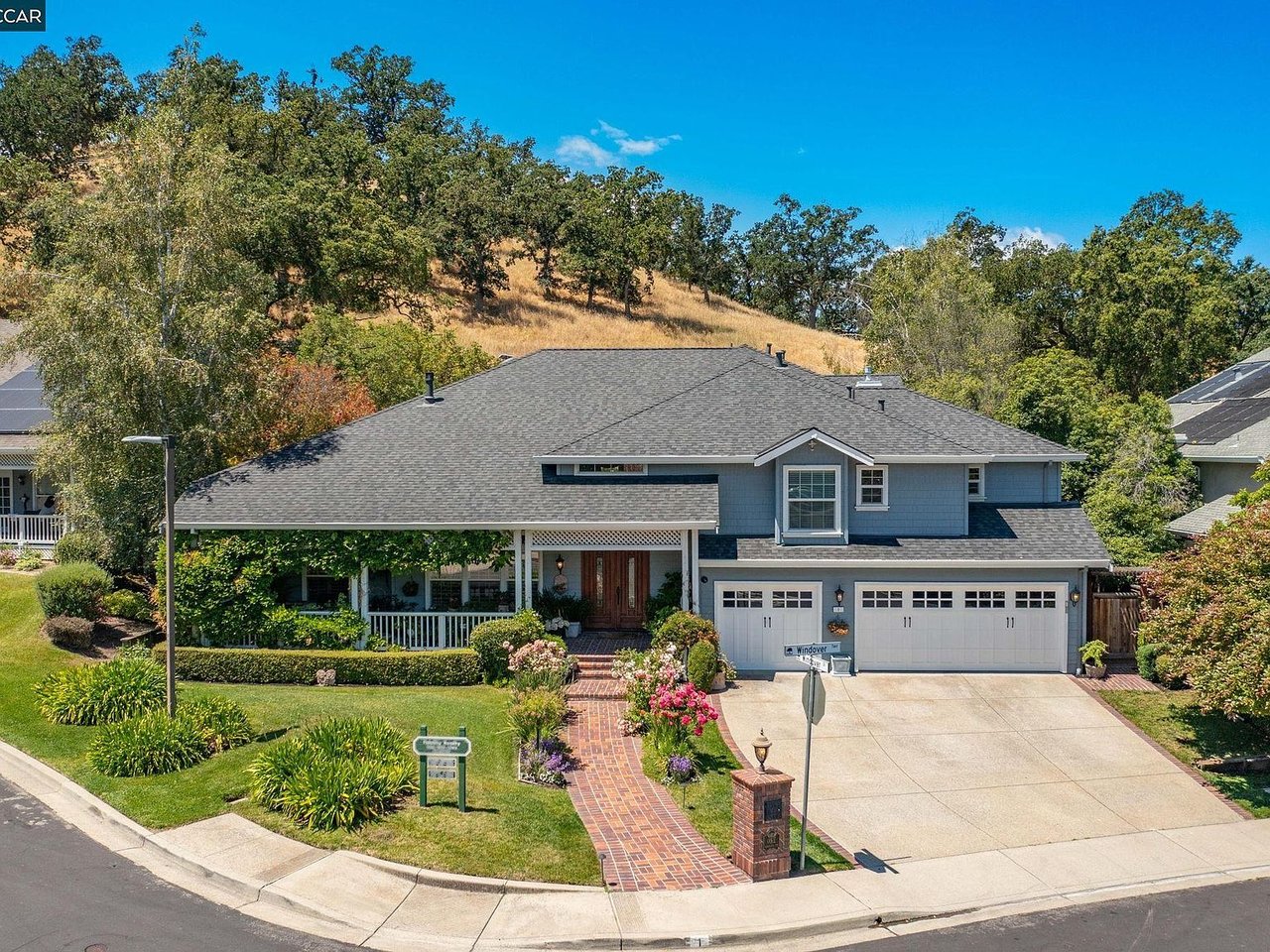
A backyard overlooking hills or open land can create a different experience from one facing neighboring windows.
Buyers may appreciate the outlook, reduced visual crowding, or additional separation. However, an attractive view should be evaluated alongside the property’s responsibilities.
Questions worth investigating include:
Who owns the adjoining land?
Is public access permitted?
Are there drainage or slope concerns?
What vegetation maintenance is required?
Could future changes affect the outlook?
Seller tip: Market the current setting accurately. Avoid describing a view as permanently protected without supporting documentation.
4. Verified School Attendance Information
School assignments can be important to buyers evaluating a move.
The most useful information is specific to the property address. San Ramon Valley Unified School District provides a school locator and directs buyers to verify attendance information with the district or school.
A nearby campus or neighborhood name does not establish enrollment eligibility.
Seller tip: Provide current, verified information and encourage buyers to confirm assignments and enrollment requirements directly. Avoid promises about future boundaries or placement.
5. Nearby Parks and Recreation
A convenient place to exercise, spend time outdoors, or participate in activities can strengthen a home’s appeal.
Different buyers value different facilities. One may prioritize walking paths, while another looks for tennis courts, sports fields, or open lawn areas.
Proximity can also involve tradeoffs. A home next to a popular recreation facility may experience additional parking, lighting, or activity.
Seller tip: Explain the nearby facilities without implying that every amenity is private, included, or available without restrictions.
6. A Comfortable Street Setting
The street immediately outside a property can influence how a buyer feels about the home.
Buyers may notice:
The amount of passing traffic.
Driveway visibility and access.
Available parking.
Sidewalk connections.
Street lighting.
Nearby intersections.
Noise at different times.
A cul-de-sac or interior street may appeal to some buyers, but the street type alone does not establish its value.
Seller tip: Highlight observable features rather than making broad claims about safety or traffic.
7. Privacy That Makes Outdoor Space More Usable
Lot size and privacy are related, but they are not the same.
A smaller yard with thoughtful orientation may feel more private than a larger yard overlooked by nearby homes.
Buyers may consider window placement, fencing, elevation, landscaping, and the distance between outdoor seating areas and neighboring properties.
Seller tip: Show the spaces buyers can use—a sheltered patio, a screened garden, or a seating area with an open outlook.
8. Practical Commute Routes
A location’s usefulness depends partly on where the buyer needs to go.
Access to major roads may appeal to someone commuting regularly, while another buyer may prefer greater separation from traffic noise.
Buyers should test their expected routes during relevant travel hours rather than relying on an off-peak estimate.
Seller tip: Describe road connections accurately. Avoid promising a fixed commute time.
9. Convenient Access to Everyday Services
Restaurants and recreation attract attention, but routine errands also shape daily life.
Buyers may appreciate practical access to groceries, pharmacies, fitness facilities, medical appointments, and other services.
The strongest location story often combines several conveniences rather than relying on one destination.
Seller tip: Include a short, relevant selection of nearby services. Focus on what helps a buyer understand the location.
10. Community Amenities With Clear Costs
Pools, tennis courts, clubhouses, and maintained common areas may appeal to buyers who expect to use them.
Their value should be considered alongside the associated obligations.
Before purchasing, buyers should investigate:
Whether membership is included or separate.
HOA dues and other charges.
Facility access rules.
Maintenance responsibilities.
Reserve funding.
Planned assessments.
Seller tip: Distinguish public facilities, HOA amenities, and optional private memberships.
11. Mature Landscaping and Neighborhood Character
Established trees and varied landscaping can give a street a distinctive appearance.
Some buyers prefer that setting and the sense of separation it can provide. Others may prioritize lower maintenance.
Large trees can also require attention to pruning, roots, drainage, and ongoing care.
Seller tip: Present landscaping as part of the property’s setting while providing available maintenance information.
12. A Location That Supports Changing Needs
Buyers often consider how a property will work beyond the first year.
A location may remain useful if it supports changing work arrangements, different travel patterns, or a preference for more activities close to home.
Relevant features might include convenient services, practical walking routes, and access to multiple destinations.
Seller tip: Explain the location’s flexibility without predicting future appreciation.
How Much Do These Features Add to Home Value?
There’s no fixed price premium for neighborhood features in Danville, California.
A buyer may pay more for downtown access while another places greater importance on privacy. A trail connection may improve appeal, but other factors—such as property condition, noise, or layout—can offset that benefit.
To evaluate a possible premium, compare properties with similar:
Interior size and floor plan.
Age and condition.
Lot size and usability.
Renovation quality.
Parking and outdoor features.
Sale timing.
Then examine the location differences.
Buyer interest and a measurable price premium are different things. An amenity may attract more showings without producing a clearly identifiable increase in the final sale price.
What This Means When You Sell
You cannot relocate your property, but you can help buyers understand its advantages.
Build a Specific Location Story
Choose the strongest verified benefits.
For example, explain a convenient trail connection, an outdoor area with added separation, or a practical route to downtown.
Specific information is more useful than phrases such as “perfect location” or “close to everything.”
Match Photography to the Features
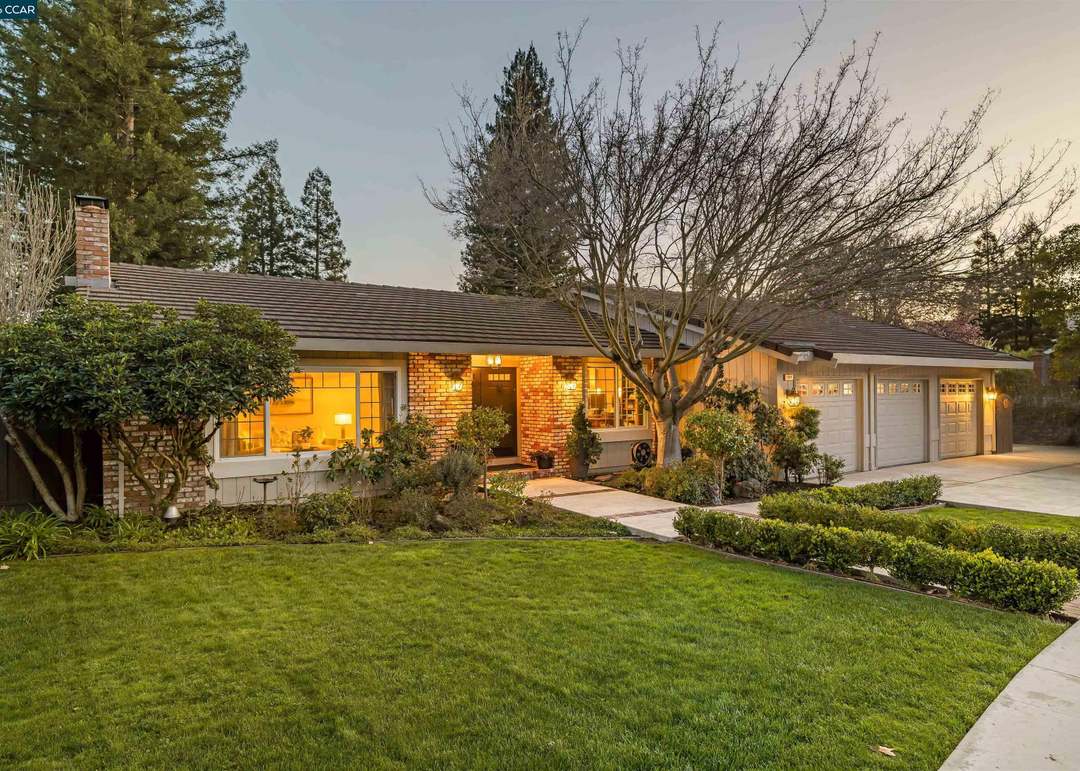
Use property and neighborhood photography that supports the listing’s claims.
Useful images might show:
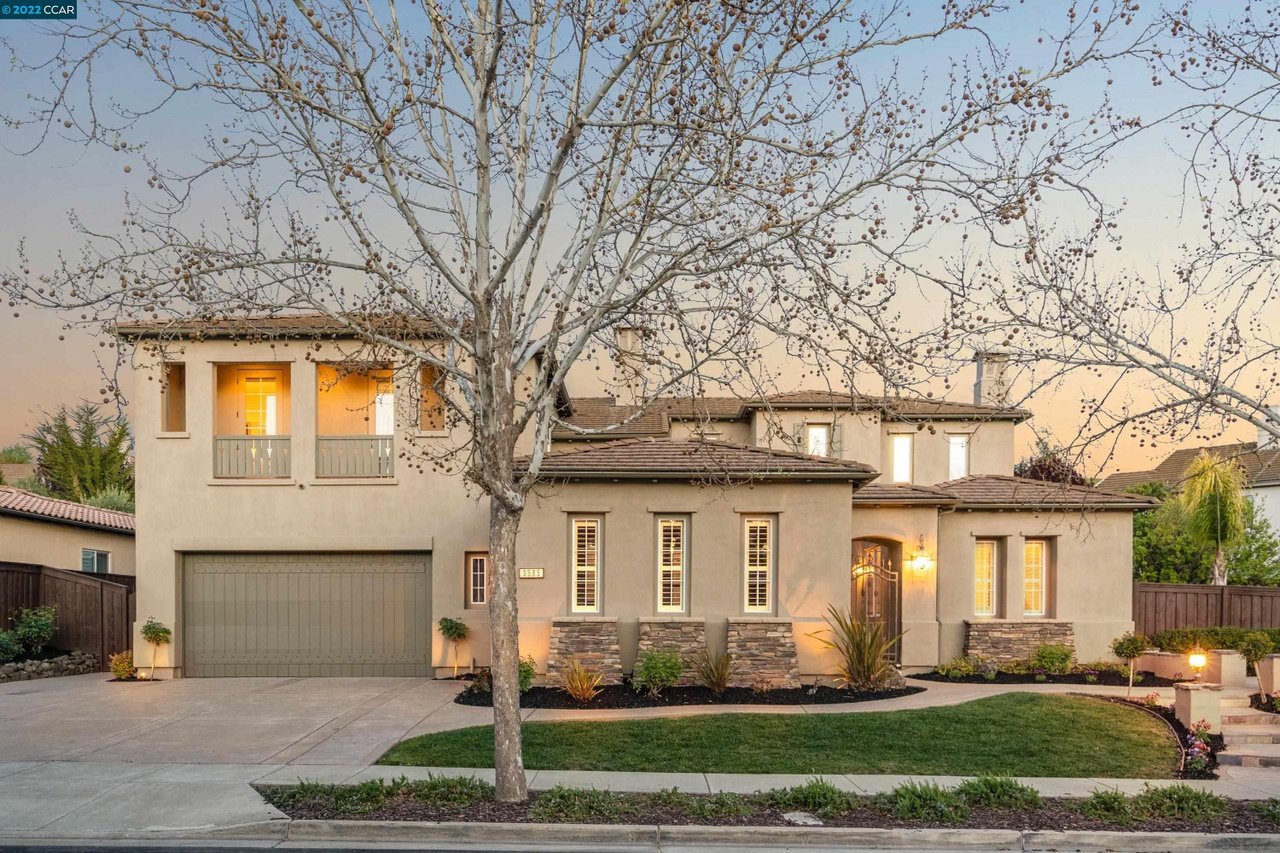
The home’s relationship to the surrounding street.
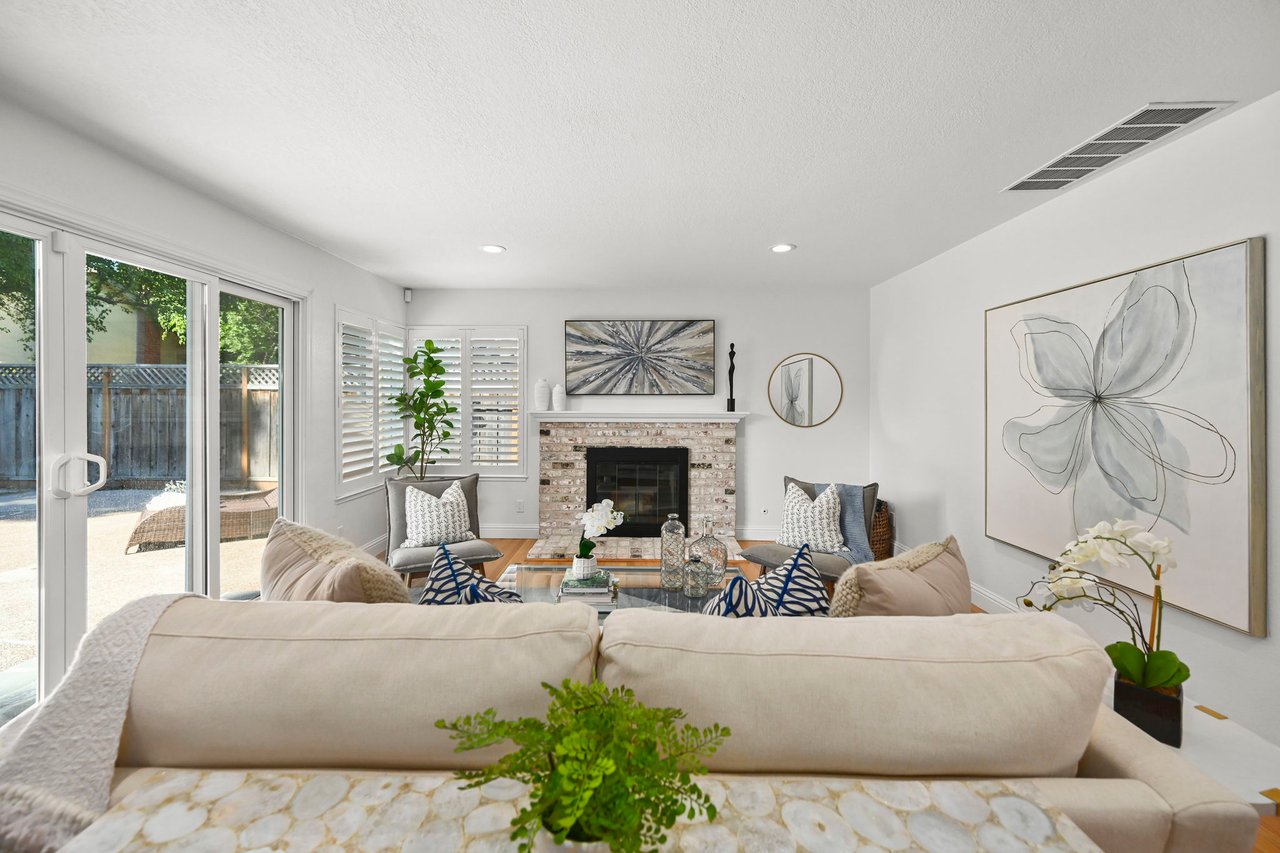
A private outdoor seating area.
A nearby public trail entrance.
The actual outlook from the property.
Relevant neighborhood surroundings.
Use photographs you have permission to publish and clearly distinguish nearby amenities from features included with the home.
Price From Evidence
Strong marketing can explain an amenity’s appeal, but pricing still needs support from comparable sales and competing listings.
A desirable location does not eliminate the effect of deferred maintenance, an awkward layout, or an ambitious asking price.
Prepare Clear Supporting Information
Before listing, gather relevant records, HOA information where applicable, and verified details about access and nearby facilities.
Clear information makes it easier for buyers to evaluate the property.
20 Frequently Asked Questions
1. Which neighborhood features can influence Danville home values?
Trail access, downtown convenience, privacy, views, recreation, and travel routes may influence demand. Their contribution varies by property.
2. Does being near the Iron Horse Trail guarantee a higher price?
No. The access route, privacy, property condition, and comparable sales all matter.
3. How should a seller describe trail proximity?
Identify the nearest verified entrance and explain the actual route. Avoid claiming direct access unless the property has it.
4. Are homes near downtown always worth more?
No. Walkability can appeal to buyers, but noise, parking, condition, and other characteristics also affect value.
5. What makes a home genuinely walkable?
Consider distance, sidewalks, crossings, lighting, and the practicality of reaching useful destinations.
6. Do open-space views add value?
They may appeal to buyers, but the effect depends on the outlook, privacy, property responsibilities, and market evidence.
7. Can a seller promise that a view will never change?
Only make claims supported by reliable documentation. Existing open land does not automatically establish permanent protection.
8. How do buyers confirm school assignments?
Use the district’s address-based locator and confirm current information directly with the district.
9. Does living close to a school guarantee enrollment?
No. Enrollment depends on the address, district policies, and applicable requirements.
10. Can park proximity have drawbacks?
Yes. Depending on the facility, buyers may also consider activity levels, lighting, and parking.
11. Are cul-de-sac homes always more valuable?
No. Street configuration is one factor among many and should be evaluated through comparable properties.
12. Is a larger lot always more desirable?
Not necessarily. Usability, privacy, slope, maintenance, and the buyer’s preferences matter.
13. Can privacy matter more than yard size?
For some buyers, yes. Orientation and separation can make a smaller outdoor space more useful.
14. Does convenient freeway access help resale?
It may appeal to some buyers. Traffic noise and the home’s exact position also need consideration.
15. Should a listing include commute times?
Describe them carefully and provide context if used. Travel times vary substantially.
16. Do HOA amenities increase value?
They may strengthen appeal for buyers who want them, but dues, rules, and financial obligations also matter.
17. Does mature landscaping always benefit a home?
It can enhance presentation, though maintenance needs and tree condition should also be considered.
18. Can neighborhood photography improve a listing?
It can help explain the setting when the images are accurate, relevant, and authorized for use.
19. How can I estimate my location’s contribution to value?
Compare recent sales of similar properties and examine meaningful differences in their settings.
20. How can David Weiss help before I list?
David can review comparable sales, identify the property’s location benefits, and develop a pricing and marketing approach.
WORK WITH DAVID WEISS
Understanding your home’s value starts with understanding the complete property—including its surroundings.
David Weiss of Compass Real Estate helps homeowners in Danville, California, evaluate comparable sales, identify relevant neighborhood features, and prepare a marketing plan that explains what makes their property appealing.
Whether your home offers downtown convenience, trail access, a private yard, or a distinctive setting, David can help you assess how those features fit into your selling strategy.
Contact David Weiss
David Weiss
Compass Real Estate
DRE #01962589
925-232-4260