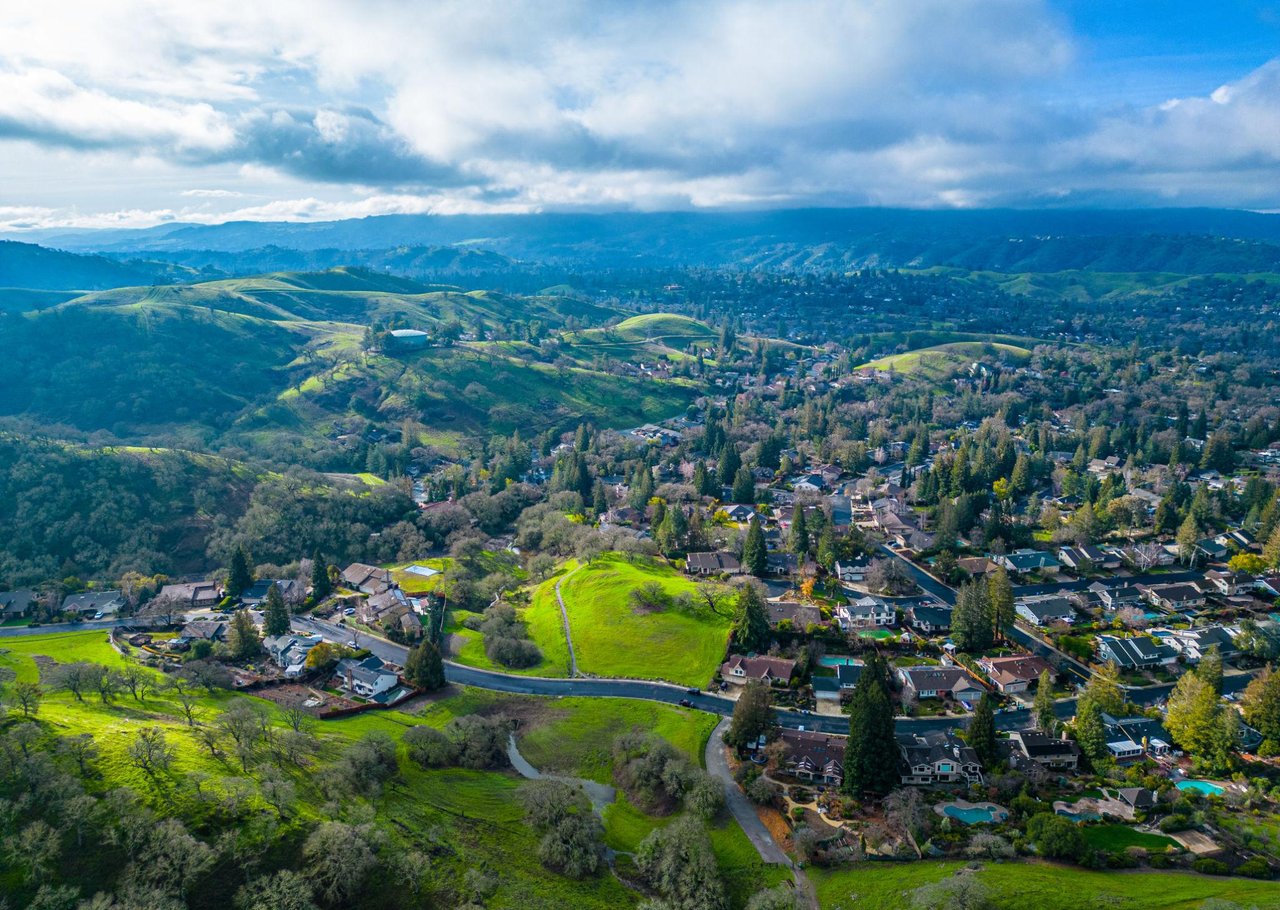
Living in Walnut Creek, CA: Homes, Schools, Commute & Lifestyle Guide
Discover what it's like to live in Walnut Creek, California, from real estate and residential neighborhoods to public schools, BART access, shopping, outdoor recreation, and homebuying opportunities with David Weiss.
Walnut Creek, California, offers an appealing combination of suburban living, urban convenience, scenic outdoor spaces, and easy access to destinations throughout the East Bay.
Located in Contra Costa County, Walnut Creek is recognized for its established residential neighborhoods, active downtown, shopping destinations, restaurants, parks, and regional transportation connections.
For homebuyers considering a move to the area, Walnut Creek offers a variety of housing choices, including traditional single-family homes, condominiums, townhomes, and luxury residences.
However, choosing the right property involves more than finding a home with the right number of bedrooms.
Buyers should also understand neighborhood differences, public school boundaries, commuting options, ownership expenses, and the local real estate market.
Is Walnut Creek a good place to live and buy a home?
For buyers who value a combination of residential comfort, transportation access, shopping, and outdoor recreation, Walnut Creek offers several attractive possibilities.
In this comprehensive guide, David Weiss of Compass Real Estate explores what makes Walnut Creek distinctive and what buyers should consider before making their next move.
Walnut Creek, California: Community Overview
Walnut Creek is situated in the East Bay region of the San Francisco Bay Area.
Its location provides access to neighboring communities such as:
Lafayette
Pleasant Hill
Concord
Alamo
Danville
San Ramon
Orinda
Walnut Creek is known for combining established residential areas with a major downtown commercial district.
Residents can enjoy access to restaurants, retail stores, parks, recreational trails, cultural attractions, and regional transportation.
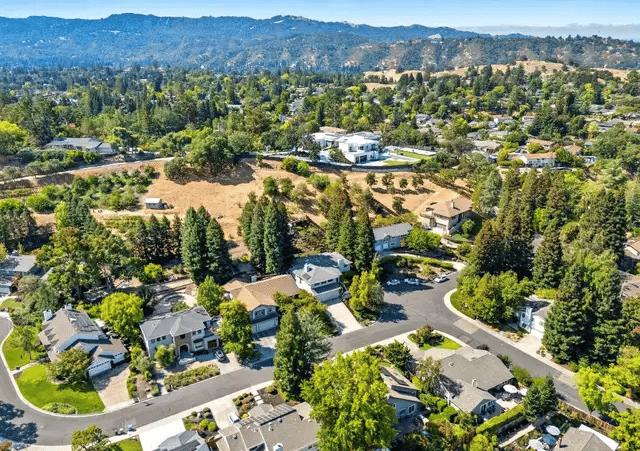
Unlike communities dominated by a single housing style, Walnut Creek offers different residential environments.
Some neighborhoods feature traditional detached homes and mature landscaping, while downtown areas include condominiums and higher-density residential developments.
This variety makes neighborhood selection especially important.
Walnut Creek at a Glance
1. Walnut Creek Homes and Real Estate Options
One of Walnut Creek's advantages is its variety of residential property types.
Buyers can explore homes with different layouts, locations, maintenance responsibilities, and ownership costs.
Single-Family Homes in Walnut Creek
Detached single-family homes are available throughout many established Walnut Creek neighborhoods.
Depending on the property, buyers may find:
Traditional ranch-style homes
Mid-century residences
Two-story suburban properties
Updated single-family homes
Custom residences
Hillside homes
Properties with private outdoor spaces
What to Consider Before Buying
Evaluate the home's:
Square footage
Floor plan
Lot size
Roof condition
Heating and cooling systems
Plumbing and electrical systems
Renovation history
Landscaping
Parking
Neighborhood location
Two homes with similar square footage may have very different market values because of their condition, lot characteristics, and location.
Condominiums in Walnut Creek
Condominiums provide another option for buyers who prefer attached housing or shared maintenance arrangements.
Downtown Walnut Creek and surrounding areas offer condominium developments with varying amenities.
Some properties may provide access to:
Assigned parking
Shared recreational facilities
Building maintenance
Common outdoor spaces
Nearby shopping
Public transportation
Important HOA Considerations
Before purchasing a condominium, review:
Monthly HOA dues
Reserve funds
Special assessments
Insurance coverage
Maintenance responsibilities
Rental restrictions
Association rules
Financial statements
A lower purchase price does not necessarily mean lower total monthly expenses.
Townhomes in Walnut Creek
Townhomes may offer a combination of residential space and shared community maintenance.
Depending on the development, features may include multiple bedrooms, attached garages, patios, and shared amenities.
Buyers should confirm whether the property is legally classified as a condominium or another ownership type because that can affect maintenance and financing responsibilities.
Luxury Homes in Walnut Creek
Walnut Creek also includes custom residences and upscale properties in select neighborhoods.
Luxury homebuyers may prioritize:
Scenic views
Privacy
Larger lots
Architectural design
Updated interiors
Outdoor entertaining areas
Home offices
Convenient access to amenities
Luxury pricing depends on the specific property's features and current comparable sales.
2. How Much Do Homes Cost in Walnut Creek?
Home prices in Walnut Creek vary considerably.
There is no single purchase price that accurately represents the entire city.
A downtown condominium and a detached residence in Northgate serve different housing needs and should not be compared solely by price.
Factors That Influence Walnut Creek Home Prices
Neighborhood: Residential location, surrounding amenities, and local demand can influence property values.
Property type: Detached homes, condominiums, and townhomes have different ownership characteristics.
Size and layout: Bedrooms, bathrooms, usable space, and floor-plan functionality matter.
Lot characteristics: Yard size, slope, privacy, and outdoor space can affect market appeal.
Property condition: Updated properties may attract different buyer interest from homes requiring substantial repairs.
Transportation: Access to BART, major highways, and employment destinations may influence buyer preferences.
Comparable sales: Recently sold properties provide important context for evaluating asking prices.
Is Walnut Creek a Buyer's or Seller's Market?
Market conditions change over time.
Buyers may have more negotiating opportunities when inventory rises, homes remain listed longer, or sellers reduce prices.
Sellers may have stronger negotiating positions when inventory is limited and buyer competition increases.
Rather than relying on a broad citywide label, David Weiss can help evaluate current conditions for the specific neighborhood and property type.
3. Popular Walnut Creek Neighborhoods to Explore
Walnut Creek offers different residential environments, making neighborhood selection a central part of the homebuying process.
Northgate
Northgate is known for established suburban neighborhoods, detached homes, mature landscaping, and nearby recreational amenities.
Buyers researching Northgate should evaluate:
Home styles and lot sizes
Property condition
Local parks
Transportation routes
Mount Diablo Unified School District boundaries
Comparable home sales
Northgate may appeal to buyers who prefer traditional suburban surroundings.
Parkmead
Parkmead features established residential streets and convenient access to central Walnut Creek.
Buyers may find traditional ranch-style residences, updated homes, and mature landscaping.
Important considerations include:
Property age
Renovations
Street location
School attendance boundaries
Downtown access
Transportation
Walnut Heights
Walnut Heights offers established homes, mature trees, and scenic residential surroundings.
Some properties have hillside characteristics or access to nearby outdoor recreation.
Buyers should evaluate drainage, maintenance, insurance, and property access when considering hillside homes.
Tice Valley
Tice Valley includes established residential communities with varied housing options.
Its location provides access to parks, shopping, and nearby transportation corridors.
Buyers should compare property types, neighborhood amenities, and ownership costs.
Downtown Walnut Creek
Downtown Walnut Creek offers a more urban residential experience.
Buyers can explore condominiums, townhomes, and other attached housing options near restaurants, retail stores, entertainment, and transportation.
Walkability and convenience may be important advantages for some buyers.
However, downtown living may also involve traffic, parking considerations, and HOA expenses.
Rossmoor
Rossmoor is a gated, age-restricted community offering various residential options and recreational amenities.
Buyers should verify:
Age eligibility
Ownership structure
HOA or cooperative fees
Community rules
Maintenance responsibilities
Financing requirements
Property-specific restrictions
Rossmoor should be evaluated separately from unrestricted residential neighborhoods.
Walnut Creek Neighborhood Comparison
Buyer tip: Visit neighborhoods during different times of day to better understand traffic, parking, noise, and everyday activity.
4. Public Schools in Walnut Creek, California
Public schools are an important research topic for many homebuyers.
However, Walnut Creek has multiple school districts, and attendance boundaries do not necessarily match neighborhood names or ZIP codes.
Walnut Creek School District
Walnut Creek School District serves transitional kindergarten through eighth grade.
Its schools include:
Buena Vista Elementary
Indian Valley Elementary
Murwood Elementary
Parkmead Elementary
Walnut Heights Elementary
Tice Creek School
Walnut Creek Intermediate
Elementary assignments depend on district attendance boundaries.
Mount Diablo Unified School District
Mount Diablo Unified School District serves portions of Walnut Creek and neighboring communities.
Notable Walnut Creek-area schools include:
Walnut Acres Elementary
Valle Verde Elementary
Bancroft Elementary
Foothill Middle School
Northgate High School
School assignments vary by address.
Acalanes Union High School District
Acalanes Union High School District operates Las Lomas High School in Walnut Creek.
Some Walnut Creek School District attendance areas are associated with Las Lomas, but buyers should verify high school eligibility separately.
How to Research Walnut Creek Schools
Before purchasing a property:
Identify the exact street address.
Determine the applicable school district.
Confirm elementary school assignment.
Verify middle school placement.
Confirm high school eligibility separately.
Review current enrollment requirements.
Research academic programs and school reports.
Ask about announced boundary changes.
Important: Living near a particular school does not guarantee enrollment. Contact the applicable district for official confirmation.
5. Commuting From Walnut Creek: BART, Highways, and Transportation
Transportation is one of Walnut Creek's defining practical advantages.
The city provides regional transportation connections that may be useful for buyers commuting throughout the Bay Area.
Walnut Creek BART Station
Walnut Creek has a BART station connecting residents to the regional rail network.
BART can provide access toward:
Oakland
San Francisco
Other destinations within the BART system
The convenience of BART depends on how far the property is from the station, parking availability, train schedules, and the final destination.
Interstate 680
Interstate 680 connects Walnut Creek with several East Bay and Tri-Valley destinations.
It is an important route for commuters traveling toward communities such as Danville, San Ramon, Pleasanton, and Concord.
Highway 24
Highway 24 provides connections toward Lafayette, Orinda, and the Oakland area.
Traffic conditions can vary significantly during peak commuting periods.
Local Bus and Regional Transportation
Local and regional bus services provide additional transportation options.
Buyers should review current routes and schedules before assuming a particular connection will meet their needs.
How to Evaluate Your Commute
Before buying a home, consider:
Travel time during peak hours
Distance to BART
Parking costs
Public transportation schedules
Highway access
Traffic patterns
Remote-work arrangements
Alternative routes
Homebuyer tip: Test your commute from the exact property during the hours you normally travel.
6. Downtown Walnut Creek: Shopping, Dining, and Entertainment
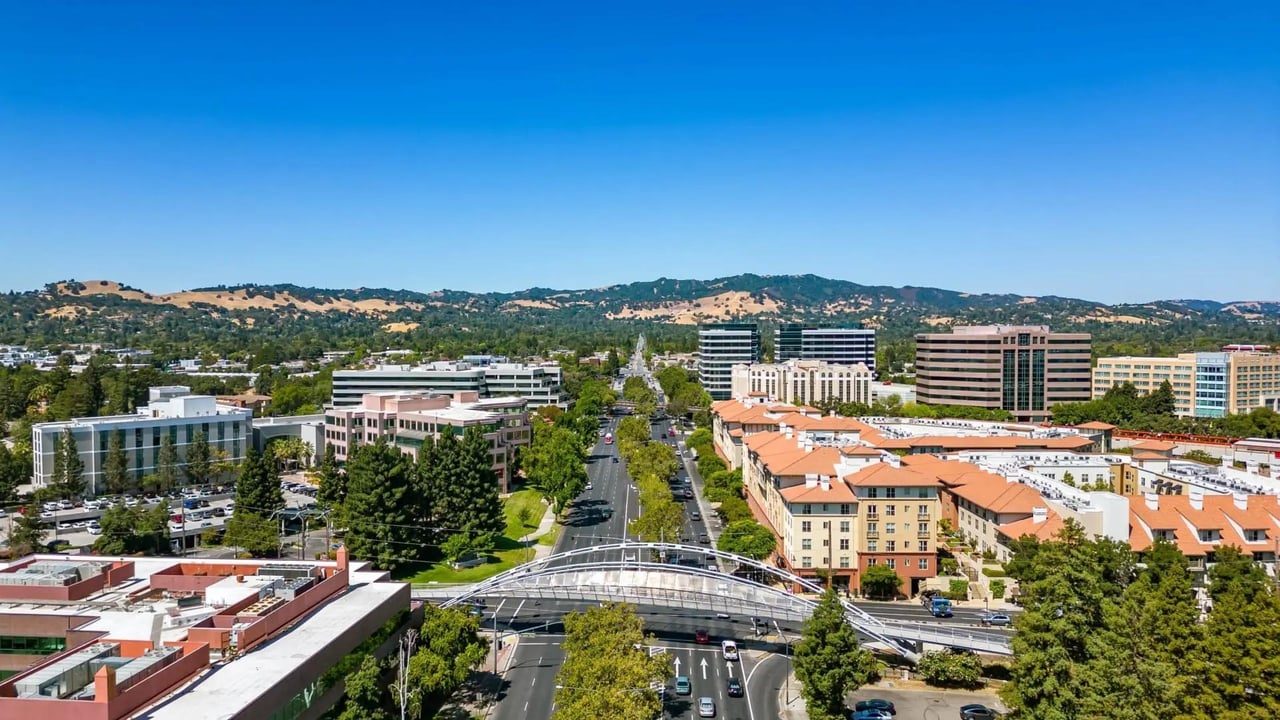
Downtown Walnut Creek is a major destination for shopping, dining, and cultural activities.
It offers a more active commercial environment than many traditional suburban neighborhoods.
Broadway Plaza
Broadway Plaza is one of Walnut Creek's best-known shopping destinations.
The area features retail stores, restaurants, and pedestrian-oriented shopping spaces.
Restaurants and Cafés
Downtown Walnut Creek offers a broad selection of dining experiences, from casual cafés to sit-down restaurants.
This variety may appeal to buyers who enjoy dining and social activities close to home.
Lesher Center for the Arts
The Lesher Center for the Arts is a cultural destination featuring performances and arts programming.
Buyers interested in theater and community arts may appreciate access to this venue.
Downtown Living Considerations
Properties near downtown may offer convenient access to entertainment and services.
However, buyers should also consider:
Parking
Traffic
Street noise
HOA fees
Building amenities
Walkability
Transit access
Property maintenance
The right balance between convenience and residential surroundings depends on individual preferences.
7. Walnut Creek Parks, Trails, and Outdoor Recreation
Walnut Creek offers extensive outdoor recreational opportunities.
The city manages more than 3,000 acres of protected open space across several natural areas.
Shell Ridge Open Space
Shell Ridge is one of Walnut Creek's major outdoor destinations.
It features trails, rolling hills, oak woodlands, and scenic views.
Activities include hiking, trail running, cycling on permitted routes, and horseback riding.
Lime Ridge Open Space
Lime Ridge offers an extensive network of trails and protected natural habitats.
Visitors can enjoy outdoor recreation while observing posted rules intended to protect wildlife and sensitive areas.
Heather Farm Park
Heather Farm Park is a developed recreational destination with sports facilities, landscaped areas, and community amenities.
Iron Horse Regional Trail
The Iron Horse Regional Trail connects several East Bay communities.
It is used for walking, running, cycling, and other permitted activities.
Mount Diablo State Park
Mount Diablo State Park is a regional destination for hiking, scenic viewpoints, and outdoor recreation.
It is managed separately from Walnut Creek's municipal open-space system.
Why Outdoor Recreation Matters to Homebuyers
Access to outdoor amenities may influence lifestyle preferences.
However, buyers should evaluate the actual distance from a property to parks or trail entrances rather than relying on broad neighborhood descriptions.
8. What Is the Cost of Living in Walnut Creek?
The cost of living in Walnut Creek depends on housing, transportation, household expenses, and lifestyle choices.
For homebuyers, housing is often the largest financial consideration.
Mortgage Payments
Monthly mortgage payments depend on the purchase price, down payment, interest rate, and loan terms.
Property Taxes
Property taxes depend on assessed value and applicable local assessments.
Homeowners Insurance
Insurance costs vary by property type, location, construction, and risk exposure.
HOA Fees
Condominiums, townhomes, and planned communities may require monthly HOA payments.
Maintenance and Repairs
Detached homes may involve landscaping, exterior maintenance, roofing, and system repairs.
Transportation Expenses
Buyers should account for fuel, parking, vehicle expenses, transit fares, and commute-related costs.
Smart Budgeting Tip
Compare the total cost of ownership rather than looking only at the purchase price.
A property with a lower asking price may still involve higher monthly expenses because of HOA dues, repairs, or insurance.
9. What Walnut Creek Homebuyers Should Prioritize
Every buyer has different housing goals.
However, several practical considerations can help narrow the search.
Functional Floor Plans
Look for layouts that support your daily activities, work arrangements, and future needs.
Home Condition
Review inspection findings, maintenance history, and potential repairs.
Outdoor Space
Consider whether you prefer a private yard, patio, balcony, or nearby public recreation.
Parking
Evaluate garage space, driveway availability, and guest parking.
Transportation
Consider access to work, shopping, public transportation, and frequently visited destinations.
Neighborhood Character
Explore the area at different times to understand traffic, noise, and local activity.
Long-Term Ownership Costs
Review taxes, insurance, HOA obligations, and maintenance.
Resale Considerations
Although future appreciation is not guaranteed, property condition, layout, location, and market demand can influence future marketability.
10. Is Walnut Creek a Good Place for Real Estate Investment?
Walnut Creek may interest residential real estate investors because of its established housing market, regional transportation connections, and range of property types.
However, location alone does not determine investment profitability.
Investors should evaluate:
Purchase price
Expected rental income
Vacancy assumptions
Property taxes
Insurance
Maintenance
Repairs
Property management
HOA dues
Financing costs
Rental restrictions
Long-term holding expenses
Condominiums and detached homes may have very different operating costs.
Investors should calculate projected cash flow and evaluate property-specific risks before purchasing.
11. Who Should Consider Buying a Home in Walnut Creek?
Walnut Creek offers housing opportunities for buyers with different needs.
First-Time Homebuyers
Condominiums and townhomes may provide alternatives to detached single-family homes.
Buyers Seeking More Space
Established residential neighborhoods offer detached homes with different floor plans, lot sizes, and outdoor areas.
Buyers Relocating to the East Bay
Walnut Creek may be worth comparing with Danville, Lafayette, Pleasant Hill, Concord, and San Ramon.
Buyers Prioritizing Transportation
Properties near BART or major commuting routes may be worth researching.
Buyers Interested in Lower-Maintenance Housing
Condominiums and certain planned communities may provide shared maintenance arrangements.
Real Estate Investors
Investors can compare rental property opportunities based on income, expenses, financing, and regulations.
12. Advantages and Considerations of Living in Walnut Creek
Walnut Creek offers attractive amenities, but buyers should weigh them against property-specific expenses and lifestyle priorities.
13. How to Buy a Home in Walnut Creek
A structured approach can make the homebuying process more manageable.
Step 1: Establish Your Budget
Determine your comfortable purchase range and estimated monthly ownership expenses.
Step 2: Obtain Mortgage Preapproval
Speak with a qualified lender about financing options and purchasing capacity.
Step 3: Identify Your Priorities
Consider property type, neighborhood, commute, schools, and amenities.
Step 4: Compare Walnut Creek Neighborhoods
Explore different areas and evaluate available housing options.
Step 5: Review Current Listings
Compare asking prices, property conditions, and relevant features.
Step 6: Analyze Comparable Sales
Review recently sold properties with similar characteristics.
Step 7: Tour Properties
Evaluate layouts, maintenance, location, and neighborhood surroundings.
Step 8: Verify Important Details
Confirm school assignments, HOA rules, permits, insurance, and other property-specific matters.
Step 9: Develop an Offer Strategy
Consider pricing, contingencies, financing, and current market conditions.
Step 10: Complete Due Diligence and Closing
Review inspections, disclosures, financing requirements, and transaction documents before completing the purchase.
20 Frequently Asked Questions About Living in Walnut Creek, CA
1. Is Walnut Creek, California, a good place to live?
Walnut Creek offers established residential neighborhoods, shopping, dining, parks, and transportation access. Whether it is a good fit depends on your housing budget, commute, and lifestyle preferences.
2. Where is Walnut Creek located?
Walnut Creek is located in Contra Costa County in California's East Bay region.
3. What types of homes are available in Walnut Creek?
Buyers can find single-family homes, condominiums, townhomes, and luxury properties.
4. Is Walnut Creek expensive to buy a home?
Housing costs vary by neighborhood and property type. Detached homes, condos, and townhomes can have substantially different purchase prices and ownership expenses.
5. What are popular neighborhoods in Walnut Creek?
Notable areas include Northgate, Parkmead, Walnut Heights, Tice Valley, Downtown Walnut Creek, and Rossmoor.
6. Does Walnut Creek have a BART station?
Yes. Walnut Creek has a BART station providing connections throughout the regional rail network.
7. Is Walnut Creek convenient for commuting to San Francisco?
BART and highway connections provide transportation options. Actual commute times depend on the starting location, destination, and schedule.
8. What highways serve Walnut Creek?
Interstate 680 and Highway 24 are major transportation routes serving the area.
9. What school districts serve Walnut Creek?
Walnut Creek includes areas served by Walnut Creek School District, Mount Diablo Unified School District, Acalanes Union High School District, and other applicable districts near surrounding boundaries.
10. Are all Walnut Creek homes assigned to the same schools?
No. School assignments vary by exact property address.
11. Is Northgate a neighborhood in Walnut Creek?
Northgate is a recognized Walnut Creek-area neighborhood. Some properties with Walnut Creek mailing addresses are in unincorporated Contra Costa County.
12. What is Downtown Walnut Creek known for?
Downtown Walnut Creek is known for shopping, restaurants, cultural attractions, and entertainment.
13. What is Broadway Plaza?
Broadway Plaza is a major shopping destination in downtown Walnut Creek.
14. Does Walnut Creek have hiking trails?
Yes. Walnut Creek offers trails in areas such as Shell Ridge and Lime Ridge, along with connections to regional recreational destinations.
15. Are there condominiums in Walnut Creek?
Yes. Walnut Creek offers condominiums in downtown and other residential areas.
16. Are there 55+ communities in Walnut Creek?
Yes. Rossmoor is a well-known gated, age-restricted community in Walnut Creek.
17. Is Walnut Creek a good place for first-time homebuyers?
Walnut Creek offers different property types, including condominiums and townhomes. Affordability depends on the buyer's budget, financing, and total ownership costs.
18. Can I buy an investment property in Walnut Creek?
Yes, subject to property-specific ownership and rental requirements. Investors should evaluate projected rental income, expenses, regulations, and financial risks.
19. What should I check before buying a Walnut Creek home?
Review property condition, comparable sales, financing, insurance, taxes, HOA obligations, school assignments, and neighborhood characteristics.
20. How can David Weiss help me buy or sell a home in Walnut Creek?
David Weiss of Compass Real Estate can help buyers and sellers compare neighborhoods, evaluate available properties, review comparable sales, understand market conditions, and navigate real estate transactions.
Discover the Walnut Creek Lifestyle That Fits Your Next Move
Walnut Creek offers a distinctive combination of established residential neighborhoods, downtown conveniences, outdoor recreation, and regional transportation.
Whether you're interested in a traditional home in Northgate, a residence near Parkmead, a scenic property in Walnut Heights, or a condominium near downtown, the city provides a variety of housing opportunities.
The right home depends on more than price and appearance.
School boundaries, commuting patterns, ownership expenses, neighborhood amenities, and long-term plans all deserve careful consideration.
By comparing neighborhoods and evaluating properties individually, buyers can make more informed decisions about living in Walnut Creek.
With thoughtful planning and local real estate guidance, you can identify a property that aligns with your lifestyle and financial priorities.
WORK WITH DAVID WEISS
Your Walnut Creek and East Bay Real Estate Resource
Buying or selling a home in Walnut Creek requires an understanding of neighborhood differences, property values, housing conditions, and local market trends.
David Weiss of Compass Real Estate helps buyers and sellers navigate Walnut Creek and surrounding East Bay communities with personalized guidance and local real estate knowledge.
Whether you're exploring a condominium near downtown, comparing established residential neighborhoods, or preparing to sell your Walnut Creek property, David can help you understand your options.
For Homebuyers
David can assist with:
Exploring Walnut Creek homes for sale
Comparing neighborhoods
Reviewing property listings
Evaluating home features and condition
Researching comparable sales
Understanding local market conditions
Identifying official school district resources
Comparing transportation and amenities
Developing an offer strategy
Navigating negotiations and the purchase process
For Home Sellers
David can help with:
Evaluating current market conditions
Reviewing comparable property sales
Developing a pricing strategy
Preparing a property for sale
Creating a tailored marketing plan
Highlighting relevant property features
Using Compass marketing resources
Reviewing offers
Negotiating transaction terms
Managing the selling process
Contact David Weiss
David Weiss
Compass Real Estate
DRE #01962589
925-232-4260
DavidWeissRealEstate.com
[email protected]
Serving: Walnut Creek, Danville, San Ramon, Alamo, and surrounding East Bay communities.
Ready to Explore Walnut Creek Homes?
Connect with David Weiss to compare neighborhoods, explore available properties, and make informed decisions about your ne