Moving to the East Bay? Alamo and Danville sit a few miles apart but feel like different worlds: Alamo is the quiet, semi-rural luxury enclave with big lots and big price tags; Danville is the more walkable, family-oriented town with a lively downtown and lots of community amenities. Below I compare the two across the things most buyers care about: homes & lot sizes, price and appreciation, schools, parks & outdoor life, dining & shopping, and the “why choose” decision.
⸻
Quick headline numbers (late 2025 market snapshot)
• Alamo (94507): median / typical home prices ~ $2.1M – $2.5M (listings and market trackers vary by date — Zillow/Redfin/Realtor show medians in the ~$2.1–2.5M range in 2025).
• Danville (94526): median / typical home prices ~ $1.7M – $1.9M (Zillow / Realtor / Redfin show Danville medians in the high-$1M range in 2025).
(Home price trackers update monthly and can differ a bit by methodology — see sources above for the latest snapshots.)
⸻
Houses & lot sizes — what the properties feel like
Alamo (94507)
• Character: predominantly single-family, custom homes, many newer remodels and estate properties. The area retains a semi-rural, “country estate” feel with properties that often have large yards, privacy and views toward Mt. Diablo. Real estate and neighborhood writeups commonly cite half-acre lots or more in many Alamo neighborhoods; dedicated land listings show lot sizes from ~0.3 acres up to 1+ acre parcels.
Danville (94526)
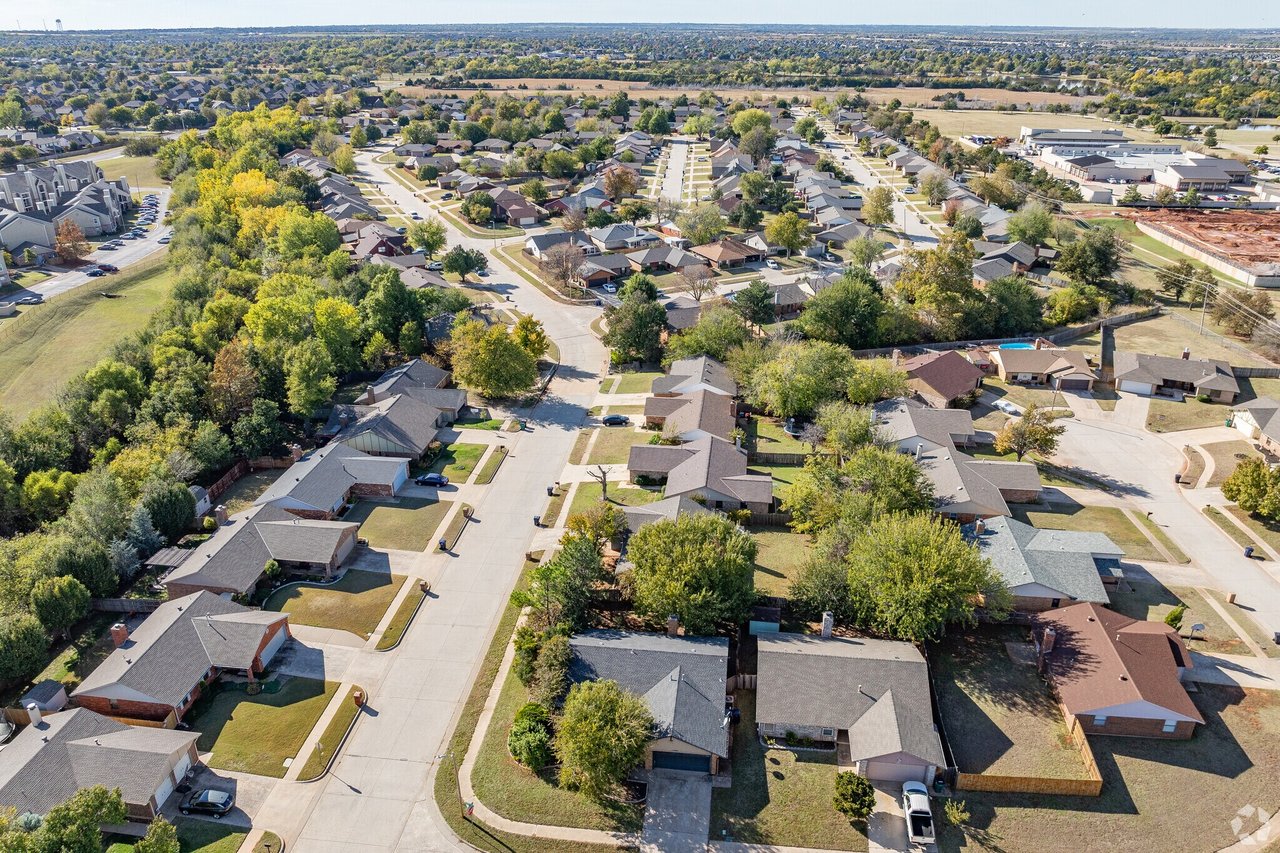
• Character: largely suburban, a mix of older and newer neighborhoods, many tract homes and upscale subdivisions. Typical lots are smaller than Alamo’s — suburban quarter-acre and below are common in many neighborhoods, though there are pockets and custom homes with larger lots. Danville zoning/minimums and subdivision patterns create more compact lots than Alamo’s estate parcels.
Takeaway: if you want acreage, privacy, barns/stables, or long driveways — Alamo is the clear winner. If you prefer lower-maintenance yards and a closer neighborhood feel — Danville delivers.
⸻
Price, value, and appreciation trends
• Price level: Alamo sits consistently higher than Danville on median price per home — often several hundred thousand to a million dollars higher depending on the month and inventory. (See Zillow/Redfin/Realtor snapshots for late-2025 medians.)
• Recent movement: Between data providers there’s some variation (markets shifted in 2024–2025), but the pattern holds: Alamo is a smaller, higher-end market with greater price volatility per listing; Danville is larger and shows steadier, somewhat lower median prices. For example, Redfin showed a sharper YoY swing for Alamo in Oct 2025 while Danville’s median changes were milder on comparable trackers.
• Longer-term appreciation: Historically both towns (San Ramon Valley / Contra Costa suburbs) have appreciated strongly over decades due to Bay Area demand, good schools, and limited developable land. Alamo’s scarce inventory and estate character have pushed long-term values higher, but that also means higher purchase price and higher exposure to short-term swings. (For exact, year-by-year appreciation pick a data source and date range — the trackers above are where to start.)
Takeaway: Alamo = higher entry price, potentially higher long-term dollar gains but greater upfront cost. Danville = more accessible price point (still strong), steadier performance for families seeking value + community amenities.
⸻
Schools — both are strong, but different districts / vibes
• Alamo is part of the San Ramon Valley area and is served by highly rated elementary & middle schools; many schools in/around Alamo receive top local ratings and strong parent reviews (Niche / GreatSchools list Alamo schools highly).
• Danville has several very well-regarded public schools (multiple elementary options, Diablo Vista/Middle and Monte Vista / San Ramon Valley High School in the region) and a broad roster of extracurriculars; Niche / GreatSchools show strong ratings across Danville schools as well.
Takeaway: Both towns are excellent for K–12; small differences depend on the exact attendance boundary. If schools are the top priority, compare specific school boundaries and test scores for the neighborhood you’re considering.
⸻
Shopping & restaurants — walkability and dining scenes
Danville (94526)
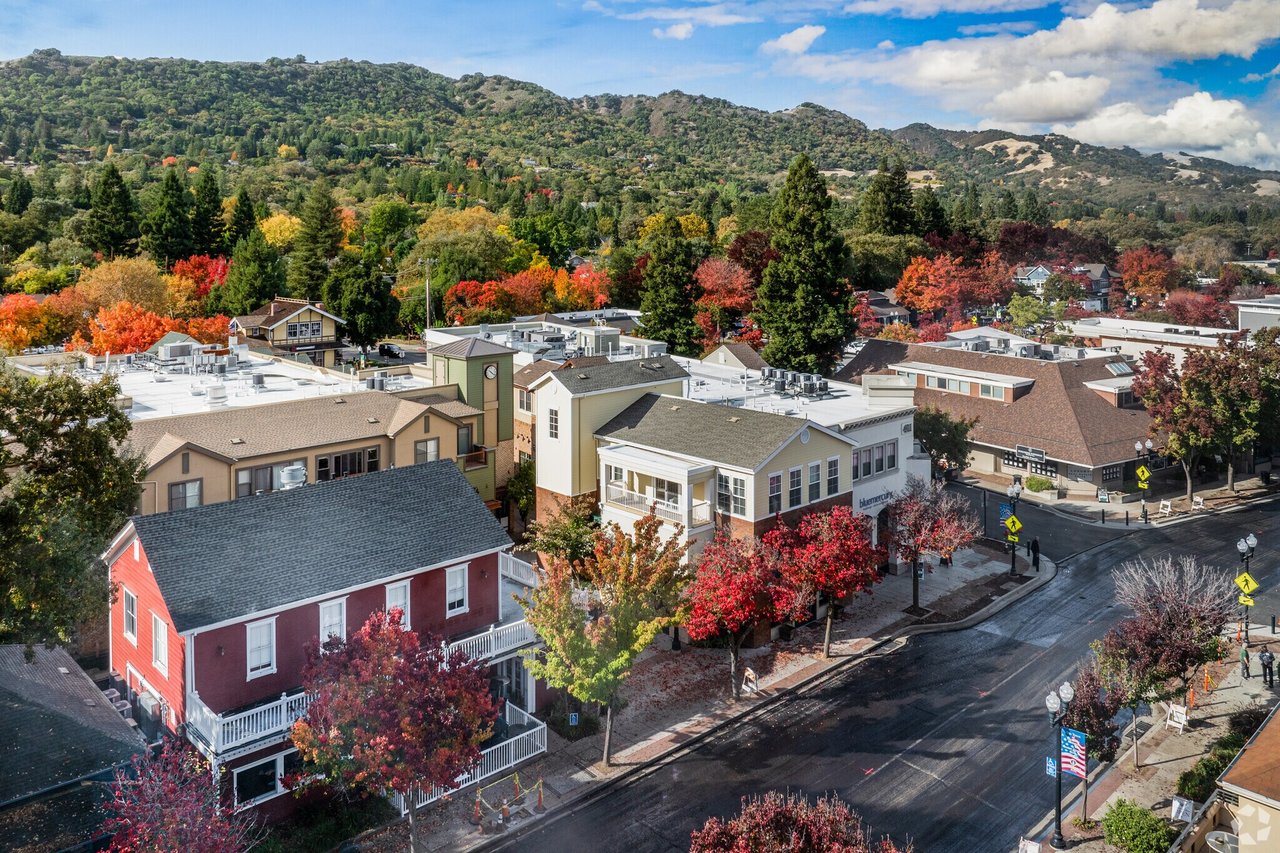
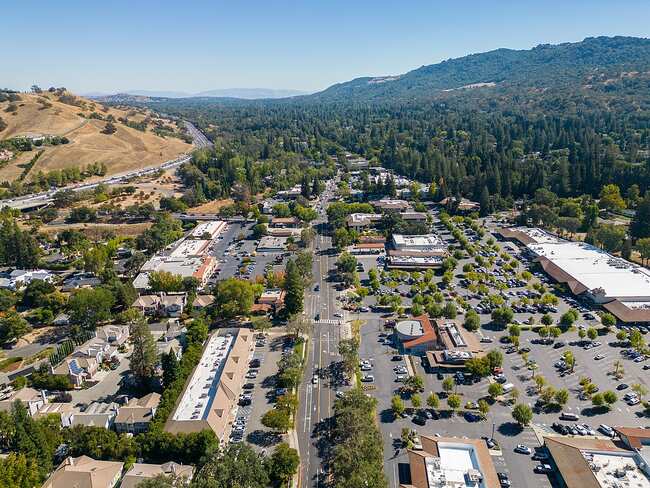
• Strong advantage: downtown Danville is a walkable, village-style main street with boutiques, restaurants, cafes, and community events — very “town center” friendly. The Town maintains directories and a vibrant local retail scene. If you like strolling to dinner or quick errands, Danville has the more active commercial core.
Alamo (94507)
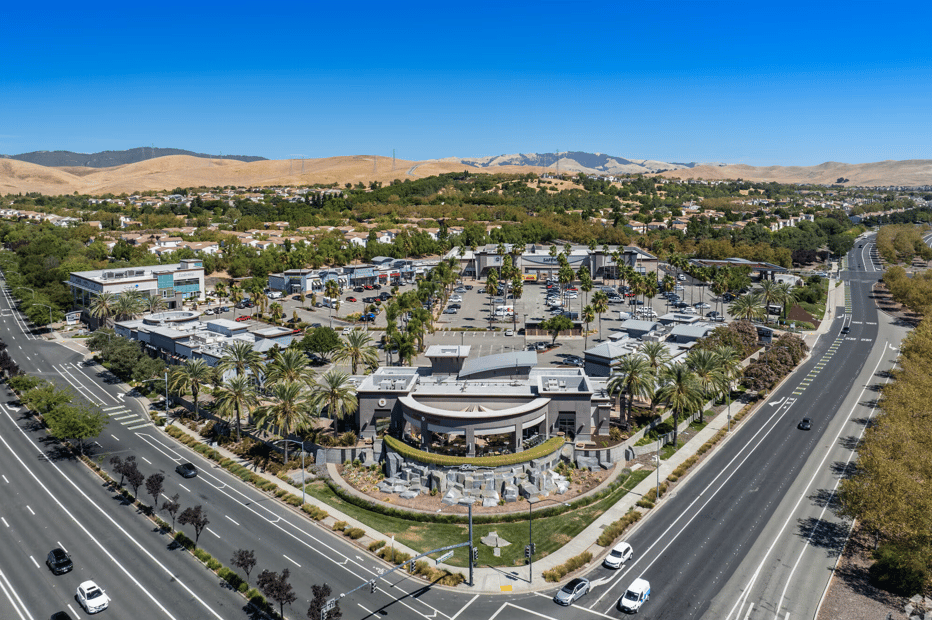
• Quieter commercial options: local shopping centers (Alamo Plaza, small strip centers) and a handful of highly regarded restaurants — but overall Alamo is less of a walkable downtown and more car/drive oriented. Dining exists (several popular neighborhood spots) but lacks Danville’s concentrated downtown buzz.
Takeaway: choose Danville if you value a lively downtown with restaurants and walkable errands; choose Alamo if you prefer a quieter, more private lifestyle and don’t mind driving for shopping or dining.
⸻
Parks, trails & outdoor life
• Shared assets: Both towns enjoy proximity to Mount Diablo State Park, the Diablo Foothills and regional open space — great for hiking, cycling and views. The Iron Horse Regional Trail connects both communities and is a big local amenity for biking/walking.
• Danville parks: Danville maintains several community parks (Hap Magee Ranch Park — ~16–17 acres — Sycamore Valley Park, Oak Hill Park) and active recreation programming; Hap Magee is a notable community hub.
• Alamo parks: Alamo is quieter but has neighborhood parks and immediate access to regional trailheads and larger open space; it emphasizes natural landscapes and larger private yards.
Takeaway: outdoors lovers win either way — Danville for community parks and trails plus a town vibe; Alamo for more direct access to big open-space parcels, trails and rural feel.
⸻
Who should live in Alamo vs Danville?
Live in Alamo if you want:
• Larger lots, greater privacy and estate-style living.
• A quieter, low-density neighborhood where driving is normal and properties feel like mini-ranchettes.
• Willingness to pay a premium for land, views and exclusivity.
Live in Danville if you want:
• Walkable downtown dining, regular community events, and easier day-to-day town life.
• Excellent schools and neighborhood parks with a slightly more affordable (relative) entry point than Alamo.
• A strong family/community environment with more compact lots for easier maintenance.
⸻
Quick practical considerations (for buyers)
• Commute & location: both towns are convenient to I-680; Danville’s downtown gives better access to local transit points and commuter options, while Alamo’s lower density can mean slightly longer local driving.
• Inventory & choice: Alamo’s inventory is smaller and more specialized (estates) — fewer homes but higher price per listing; Danville has broader inventory across price bands.
• Resale & demand: both towns enjoy Bay Area demand and good resale prospects; Alamo’s higher price point can amplify dollar appreciation but also increases exposure to market swings.
⸻
Bottom line — which is better?
• Pick Alamo if your priority is land, privacy and estate living and you’re prepared to spend at the top of the local market.
• Pick Danville if you want family-friendly streets, a walkable downtown, great parks, and very good schools with slightly lower median prices and more neighborhood options
David Weiss
925-232-4260
[email protected]
SoldByDavidWeiss.com
DRE #01962589
David Weiss
925-232-4260
[email protected]
SoldByDavidWeiss.com
DRE #01962589